Samplers a Common Thread in Early America
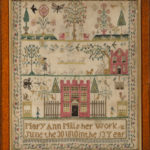
Photo Provided The Mansion Museum is currently displaying more than two dozen samplers created during the heyday of schoolgirl samplers in America from 1764-1853.
“Idlers should in disgrace, as a clock, keep its hands before its face.” This is the embroidered saying on an antique sampler that hung in my mother’s kitchen throughout my childhood. It now holds a spot in my own kitchen.
Because of this early introduction to samplers, I continue to find them important collectibles that illustrate American history.
Antique samplers are also known as schoolgirl samplers or girlhood embroideries and were expected achievements for young ladies in the 18th and 19th centuries.
Most were worked on linen, using colored silk thread. There are a variety of sizes, quality and complexity found in the samplers. Some are simple in style and display a homespun charm. Others reveal a detailed amount of work and more sophisticated design. Many of the old needlework pieces are signed and dated by the seamstress (in stitches of course), which is important to note since it documents the age of the sampler.
Schoolgirls worked on the samplers for hours as part of their formal education; so, samplers include alphabets, numbers, proverbs and bits of wisdom, along with flowers, trees and buildings. There are a great many things to learn from samplers in regard to social customs and historical facts, so take a close look at these relics.
A group of valuable samplers are now on display at Oglebay Institute’s Mansion Museum. These schoolgirl samplers are from the collection of Dr. Betty Jane McWilliams of Verona, Pa., and the exhibition is sponsored by the McWilliams Foundation. Each one tells a story.
Antique samplers remain highly collectible and valuable in the art and antiques world today, and buyers should make serious purchases only with reliable dealers or after studying the topic carefully. The age of the needlework is important along with the condition and the provenance, the size of the work, materials used and ability of the seamstress — all go into determining value.
Samplers done in mourning offer a look at the importance society placed on creating a lasting memorial piece for a deceased loved one. These memorial type pictures often show a weeping willow tree (symbol of mourning) and may include a tomb or gravesite. Though these pictures were created as memorials, they were not always done for relatives or friends, they were a popular form of art, too, so they were created many times for a well-known person who died or just for the general purpose of mourning.
Another variation of samplers is the stumpwork style, which means that it’s raised or padded needlework, a style popular even earlier, in the 17th century. These samplers can be quite elaborate and were often done by older women.
Visit the Mansion soon and enjoy a special view of history through these stitches in time. Since the Mansion also is decked out for the holidays, you’ll have twice the fun as you view its Storybook Celebration-themed holiday trim in the beautiful period rooms, thanks to generous volunteer decorators.
The Mansion Museum is open 10 a.m. to 5 p.m. Sunday through Thursday and 10 a.m. to 10 p.m. Friday and Saturday, Nov. 12 through Jan. 8 during Oglebay’s Festival of Lights. It is closed Thanksgiving, Christmas and New Year’s days.
If you’re seeking more information online about samplers, I found Stephen and Carol Huber’s antiquesampler.com site easy to navigate and informative.
For comments or suggestions on local treasures to be featured in Antique of the Week, Maureen Zambito can be reached via email at: zambitomaureen@hotmail.com or by writing in care of this newspaper.
Features
Showcasing the Past, Preserving the Future

Blockbuster Shows Taking Shape at the Capitol Theatre in the New Year

Why Doing Good Also Makes Us Feel Good, During the Holidays and Beyond
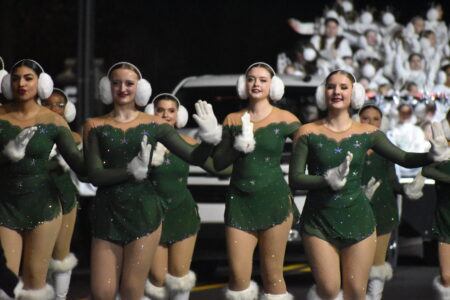
SLIDESHOW: Main Street Bank Fantasy in Lights Parade in Wheeling

Robert Plant’s Saving Grace Enraptures Fans at Capitol Theatre