
Motorists Reminded: ‘Drive Sober Or Get Pulled Over’ at New Year’s
Trending
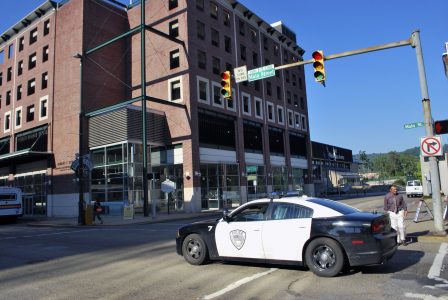
WHEELING - Although fewer people are estimated to be on the road during this atypical holiday season, highway safety officials are emphasizing the fact that they still are taking a zero-tolerance stance to alcohol-related driving offenses as the New Year's weekend approaches.
This year, the U.S. Department of Transportation's National Highway Traffic Safety Administration has partnered with the Northern Regional Highway Safety Program in West Virginia to help send a strong message about the dangers of drinking and driving. Continuing this month through the New Year's Day weekend, local and regional law enforcement agencies are participating in the high-visibility national enforcement campaign "Drive Sober or Get Pulled Over."
The agencies are increasing their messaging across the state that law enforcement will show no tolerance for drunk drivers. There will be an increased number of officers on the road through the weekend as highway officials aim to drastically reduce drunk driving during this time that is typically marked by celebrations.
"The holidays should be an enjoyable time for our community members, not a marker for the death of a loved one due to a drunk-driving crash," Melissa Taylor, Northern Regional highway Safety Program coordinator, said.
According to national highway safety statistics, 10,511 people were killed in drunk-driving crashes in 2018, which equates to one person killed every 50 minutes during that year. In fact from 2014-18, an average of more than 10,000 people were killed each year in alcohol-related crashes. The month of December has traditionally been the worst month compared to other major holiday months during the year in terms of the number of alcohol-related motor vehicle fatalities.
Officials said this is why state and national agencies are working together to remind motorists that drunk driving is not only illegal, it is a matter of life and death.
"We need commitment from our community members that they'll keep the roads free of drunk drivers so that everyone can have a safe holiday," Taylor said. "This is a campaign to get the message out that drunk driving is illegal, and it takes lives. Help us put an end to this senseless behavior."
Taylor said the message should be clear to everyone who ventures out for New Year's Eve festivities: "Drive Sober or Get Pulled Over." She noted that these fatalities are preventable, and motorists should remember that driving impaired by any substance -- be it alcohol or drugs -- is deadly, illegal and selfish.
Motorists are reminded that there are many available resources that can help them get home safety if they choose to venture out to celebrate the New Year.
The National Highway Traffic Safety Administration reminds drivers that:
– it is never okay to drink and drive, even if only one alcoholic beverage is consumed, it is important to designate a sober driver or plan to use public transportation or a ride service to get home safely.
– if anyone sees a drunk driver on the road, contact local law enforcement.
– if anyone has a friend who is about to drink and drive, take the keys away and make arrangements to get them home safely.
Even after New Year's Eve celebrations have passed, officials stressed the fact that intoxication does not end the morning after the celebration.
According to information from AAA East Central's resources aimed at helping to reduce impaired driving, sufficient time is the only thing that truly will help someone to become sober again after drinking.
"Driving hungover can be just as dangerous as driving after having a few drinks," J.J. Miller, safety advisor for AAA East Central, said. "After a night of drinking, many people will wake up with alcohol still in their blood, or they will wake up tired and disoriented."
Studies show that it can take between 75 to 90 minutes to eliminate the alcohol contained in each individual standard-sized drink. According to the National Institute on Alcohol Abuse and Alcoholism, hangover symptoms peak when the blood alcohol concentration in the body returns to near zero.
Those hangover symptoms that can impair driving include: fatigue and weakness, headaches and muscle aches, nausea and stomach pain, poor or decreased sleep, dehydration, vertigo, sensitivity to light and sound, anxiety and irritability.
"We wouldn't advise that anybody drives with any of these symptoms, regardless of whether they are recovering from a night of celebrating or not," Miller said.