
Growing Hope Program Takes Root At Wheeling Hospital
Trending
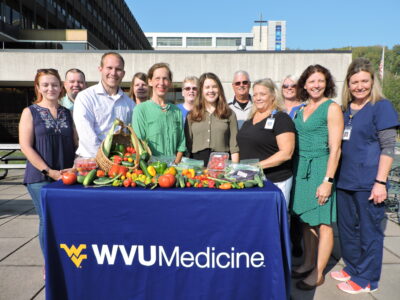
WHEELING - WVU Medicine Wheeling Hospital's new Growing Hope program is cultivating a path to better health for oncology patients by providing them with free fresh produce from local farmers.
The trial run of the local branch of the program provided patients undergoing cancer treatment at Wheeling Hospital with 10 weeks of fresh produce sourced from eight local growers.
The program targets patients struggling with food insecurity who may not have access to "fresh, healthy food" as they undergo treatment, according to Mountains of Hope Cancer Coalition Program Coordinator Lauren Wright.
Patients in the program were able to pick up fresh bags of produce before their hospital treatments. Recipes that used the produce provided each week were also included with the pickups.
"Fresh, locally grown produce is the gold standard and ideal for any of us in terms of nutrition," Wright said. "When cancer patients are going through their treatment, their immune systems are down, so if you can get them healthy produce, it's going to help them emotionally and physically too."
Rhonda Braden, a medical oncology division outpatient social worker Rhonda Braden at WVU Medicine Wheeling Hospital, said patients were referred to the program through the oncology department if they expressed a need or if staff observed the patient was struggling to obtain the nutrition they needed.
"I met with each family, and we assessed those in need," Braden said. "We had the patients come in, and we provided the foods to help them get through the week and get good nutrition."
Braden noted that cancer treatments often "deplete patients' systems" and cause side effects such as nausea, vomiting and an upset stomach. She said these side effects, in addition to patients not being able to afford the energy or the funds for fresh produce, were a "big reason" the program was developed.
Local banks donated bags in which the produce was stored for patients. Braden noted that staff wanted the program to be "very convenient."
"For patients that weren't able to come on the day of delivery, we would work with them ahead of time to get the food delivered or have them come pick it up," Braden said. "Our number one goal was to make sure that we did everything we could as a community to help patients in need on the nutritional end."
Eight growers in and around the Ohio Valley area helped fill the produce bags handed out to patients. Participating farms include Daisy Haven, The Blended Homestead, Eric Freeland's Farm, Rock Valley Farm, Abby Acres, Next 7 Farm, Two Sisters Homestead and Fowler Farm.
Blended Homestead co-owner Eric Blend coordinated the local growers for the program. He noted that with the number of participating farms, the program could provide a "wide variety of products each week from a variety of growers."
"I tried to compliment what farmers had available, so if Eric Freeland had strawberries available, then we would pair it with lettuce from another farm while another grower would provide celery," Blend said. "We used that partnership to provide certain products so the hospital could put recipes together using those products. The recipes also helped encourage good cooking and eating habits for patients."
The local growers participating in the program do not use preservatives or wax on their products. Blend added that the produce is often picked a day before or even on delivery dates to ensure its freshness.
"To have a hospital understand the value and high quality of the product you can get from local foods is important," Blend said. "Rather than going to Walmart and getting a bag of bananas that's been ripened at the back of the store, patients were able to receive fresh fruit that was picked the day it was delivered to the hospital."
The wide variety of growers participating also helped the program manage unpredictable weather conditions in the area, from flooding in April to a drought in August.
"We've had certain crops, especially as small farmers, that we expected to grow that just didn't produce as good of a yield, so being able to complement and work with each other helped us all come together for this program," Blend noted. "This program didn't transformationally change any one of our farms, but it was just a small amount to help the local growing economy agriculturally."
Wellsburg-based farmer Freeland said his involvement in the program was providing 10 units of tomatoes, strawberries, lettuce or other products he had available weekly.
"I tried as much as I could to accommodate and make products available when I had ten units of a product," Freeland said. "It's a good cause and another outlet for our produce to go to good use."
Mountains of Hope Cancer Coalition has funded the program's first run. WVU Medicine Wheeling Hospital will now look to the community to support the program's next rendition.
"We facilitate the partnerships with local growers and the hospital cancer centers, and then we just kind of let them take it from there," Wright said. "Our hope is once we pilot the program at a site and start it off with the initial funding, the hospital will be able to sustain and grow it long term."