
Belmont County Reports Three Cases of Whooping Cough; First Since 2019
 Josie Burkhart
 Trending
For the first time since 2019, Belmont County three residents have been diagnosed with pertussis, or whooping cough, according to the health department.
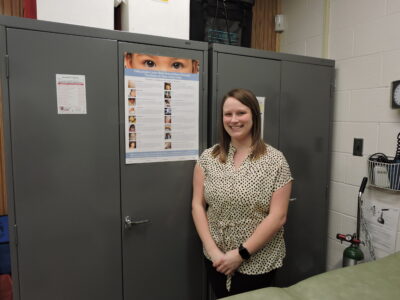
Pertussis is a highly contagious respiratory infection caused by the bacteria Bordetella pertussis. The reported cases come from a school setting, county Director of Nursing Gabby Timko said.
Timko described the cases as having one common denominator: One minor who had a case was a classmate of another with pertussis. The other case was someone who lived in the house of one of the children with pertussis. Two of the cases were found in minors, while the third person is 19 years old.
Timko said two of the three patients were fully vaccinated against pertussis, while the third hadn't completed the vaccine series. She's not sure how the vaccinated patients contracted the illness, but speculated it could be because they contracted a strain of pertussis the vaccine isn't made to fight.
The infectious disease manual the health department follows recommends all household contacts and anybody who's immunosuppressed should be prophylactically treated for pertussis, which means even if the person is not sick, they should still be prescribed an antibiotic to prevent them from getting the illness.
Pertussis begins as a mild upper respiratory infection with initial symptoms resembling a common cold, including sneezing, runny nose, low-grade fever and a mild cough, according to the Centers for Disease Control and Prevention. Within two weeks, the cough becomes more severe and is characterized by episodes of numerous rapid coughs followed by a crowing or high-pitched whoop. A thick, clear mucus may come with the cough.
The CDC also says early diagnosis and treatment of the infection are important because antibiotics can help prevent severe illness and reduce the chances of a close contact developing it.
Pertussis is usually spread by direct contact with discharges from the nose and throat of those infected, such as droplets expelled when coughing or sneezing.
Timko said the health department will educate schools on pertussis, patient isolation and antibiotic treatment if the number of cases increases.
Timko suggests making sure everyone in your household is up to date on their Tdap vaccines to help prevent pertussis. The health department does pertussis vaccines at its location as well.