
Demand for Domestic Violence Shelters Outpaces Capacity in Ohio
Trending
ST. CLAIRSVILLE -- More than 9,600 domestic violence survivors seeking emergency shelter in Ohio were turned away last year because of insufficient capacity, according to data from 76 Ohio Domestic Violence Network member programs.
Mary O'Doherty, executive director of the Ohio Domestic Violence Network, said the numbers demonstrate the growing need for domestic violence services.
"ODVN's member programs provided services to nearly 75,000 survivors last year, most of them received non-residential services -- counseling or legal or housing advocacy. Unfortunately, while nearly 9,500 survivors were sheltered, more than 9,600 were turned away because the shelter was full or lacked staffing capacity," O'Doherty said. "The numbers make clear something we've known for a while: Ohio needs to do a better job taking care of its vulnerable families."
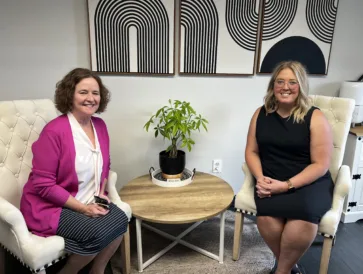
O'Doherty recently visited Tri-County Help Center, which provides services throughout Belmont, Harrison and Monroe counties for survivors of domestic violence, sexual assault and human trafficking.
The organization, founded in 1979 as the Task Force for Battered Women, has provided domestic violence services in the region for more than four decades. In 1986, it purchased what became known as "Peg's House," creating a dedicated shelter for survivors and their children.
Tri-County Executive Director Chelsea Scott said the center provided 854 nights of emergency shelter to 19 adults and 14 children during the past year.
"Shelters provide survivors with advocacy, connections to legal and community resources, and the opportunity to begin rebuilding their lives away from an abusive partner. Most importantly, they provide survivors with the dignity, safety, and freedom to live their lives without fear of violence, and to give their children the same opportunity," Scott said.
Scott said being turned away from a shelter does not necessarily mean a survivor has another safe option.
"It may mean returning to the person who harmed them, moving between unsafe locations, or becoming homeless. Not every survivor has family or friends they can turn to, and many do not have the financial resources to secure temporary housing on their own," she said.
She added that children also can suffer lasting effects from exposure to domestic violence.
"Every survivor deserves a safe path away from violence, and every child deserves the chance to grow up free from fear," Scott said. "When we give families the support they need to leave safely, we strengthen not only those families, but our communities across Ohio."