
West Virginia Spends Millions on Unfilled State Jobs, Report Finds
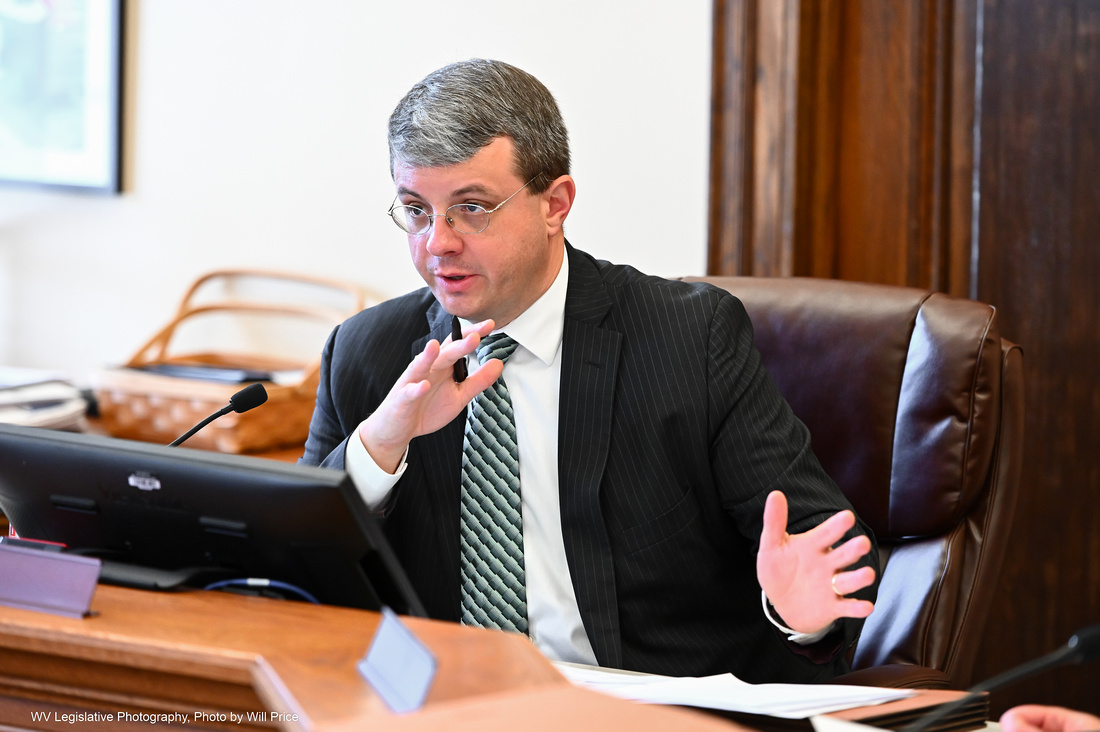
House Speaker Roger Hanshaw asks questions about a report showing millions of dollars are sitting in state agency coffers for vacant positions that have gone unfilled for years.
Photo courtesy of WV Legislative Photography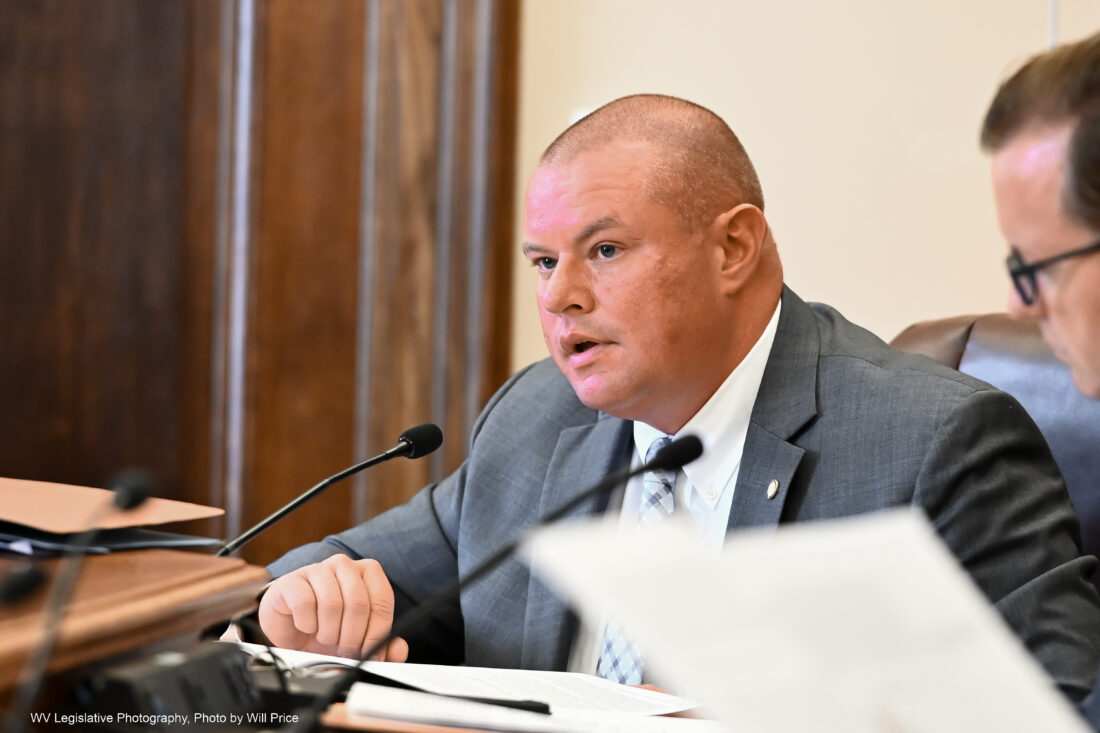
Del. Brandon Steele, R-Raleigh, asks questions about a report showing millions of dollars are sitting in state agency coffers for vacant positions that have gone unfilled for years.
Photo courtesy of WV Legislative Photography
House Speaker Roger Hanshaw asks questions about a report showing millions of dollars are sitting in state agency coffers for vacant positions that have gone unfilled for years.
Photo courtesy of WV Legislative Photography
Del. Brandon Steele, R-Raleigh, asks questions about a report showing millions of dollars are sitting in state agency coffers for vacant positions that have gone unfilled for years.
Photo courtesy of WV Legislative PhotographyTrending
CHARLESTON - A new legislative audit found that West Virginia state departments and agencies receive funding for full-time jobs that have gone unfilled for years, costing taxpayers millions of dollars.
The Post Audits Subcommittee of the Legislature received a report Sunday from the Legislature's Performance Evaluation and Research Division on job vacancies in state government. Sunday was the first day of September legislative interim meetings.
According to the report, more than $226 million was appropriated in the fiscal year 2022 executive budget in salaries and benefits for 4,857 vacant positions funded by both state tax dollars and other sources of state and federal funding.
"Each year, several millions of dollars are appropriated for budgeted vacant positions, many of which have been vacant for several years with no evidence that agencies are trying to fill them," said Lukas Griffith, senior analyst for PERD.
More than half of those positions, 2,289 vacancies, were directly funded from the general revenue budget that receives funding from multiple tax revenue sources, including personal income taxes, the consumer sales and use tax and severance taxes on coal and natural gas. The state departments and agencies received a combined $101.5 million for those 2,289 vacant positions, representing more than 5% of all budgeted positions.
Auditors found 291 current state job vacancies paid for through general revenue fund appropriations have sat vacant between 2014 to 2018, yet those agencies continue to receive more than $13 million for those vacant positions that go unspent. There are 494 vacancies for 2014-2018 for the entire executive budget, costing taxpayers $22.9 million.
"When you consider that many of these vacancies for 2019 through 2021 will eventually remain vacant for years to come, the overall budgetary implications for the state general (revenue) fund and budgeted vacancies are much higher than $13.4 million," Griffith said.
Most of the vacancies are between 2019 and 2021, with 4,363 budgeted vacancies representing 90% of total budgeted vacancies at a cost of $204 million. The report also found that in most cases, state departments and agencies were not moving these unspent funds.
"Wow," said House Speaker Roger Hanshaw, R-Clay. "In four years of sitting on this committee that has to be one of the most informative reports I've ever received."
The agencies with the most vacant positions are the Division of Health in the Department of Health and Human Resources and the Division of Corrections and Rehabilitation, both with more than 800 vacancies each. Both agencies are known for having high turnover and vacancy numbers with Gov. Jim Justice declaring a state of emergency last month for state prisons and jails, using the West Virginia National Guard to help with staffing.
"All of us are well aware of the problems we have with the nursing homes, the jails and prisons, and the social work-side," said Delegate Brandon Steele, R-Raleigh. "We're literally sending the National Guard to prisons right now. We could immediately shift that money toward those high-demand high-need positions if we could dig into that and potentially with the other 4,300 vacancies do the same."
Auditors also found more than 300 full-time jobs within state agencies that would qualify for public assistance based on salary. There are 383 full-time state employee positions that earn less than $23,000, qualifying them for Supplemental Nutrition Assistance Program benefits. Many of those 383 jobs are within the Division of Health, including housekeepers, cooks and other service workers.
But Michael Cook, director of the State Budget Office, wanted lawmakers against immediately sweeping the budgets of departments and agencies
"There are instances where I believe there are vacancies that could be eliminated and that money be better used to support the agency budget, but in many instances the budget bill provides permissive language that allows those agencies to transfer those funds that the Legislature has appropriated for personal services and employee benefits," Cook said. "That was one of the main concerns I had when I read the report. I didn't want it to have the appearance that there were just millions of millions of dollars that could be swept in savings."
But as the auditors pointed out, there are very few instances where state departments and agencies perform intra-departmental personal services transfers. The Division of Health did not perform intra-departmental transfers in 2020 and 2021 and the Division of Human Services, the Division of Highways, the Division of Rehabilitation Services and West Virginia State Universities performed no transfers between 2018 and 2021.
"Technically, they're saying they need it for vacancies, but in reality no, they need it for overtime," said PERD Director John Sylvia. "This is what we have seen these agencies are doing."
"Not to put words in anyone's mouths, Mr. Sylvia, but in other words you're telling us that the budget process as we know it just doesn't reflect reality." Hanshaw asked.
"No, it doesn't," Sylvia said.