
W.Va. House Passes Justice Tax Cut Bill
Faces Uncertain Future In Senate
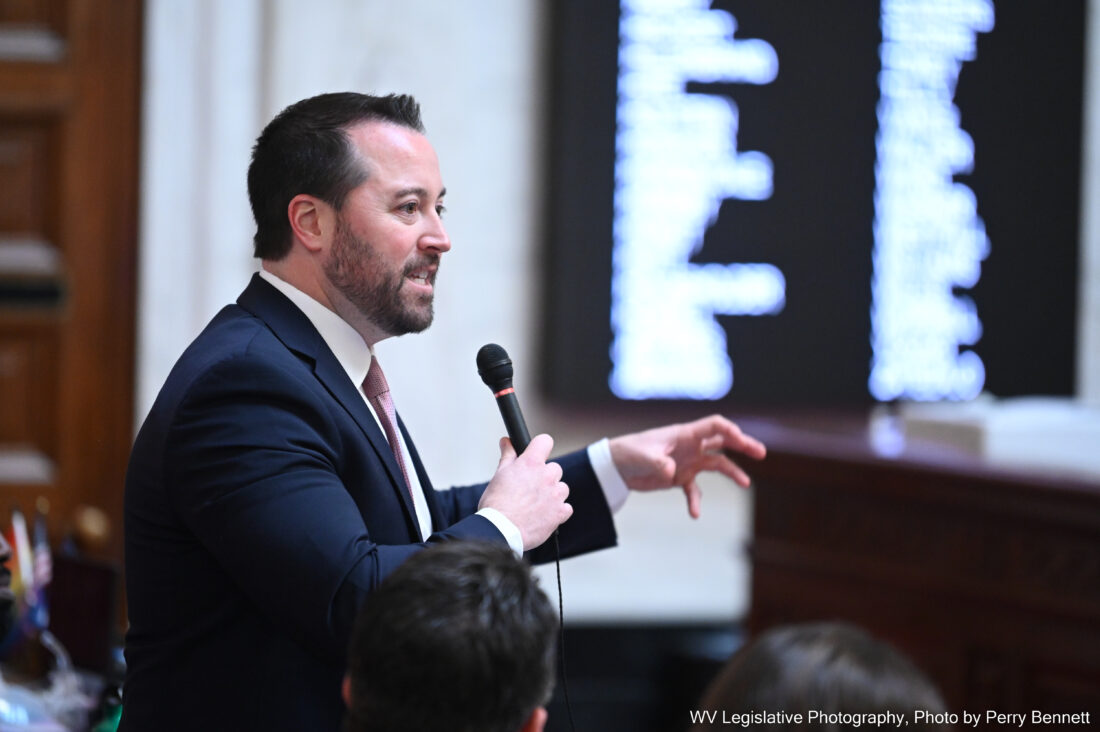
House Minority Whip Shawn Fluharty, D-Ohio, and other Democrats tried to amend Gov. Jim Justice's tax cut bill Wednesday.
Photo courtesy of WV Legislative Photography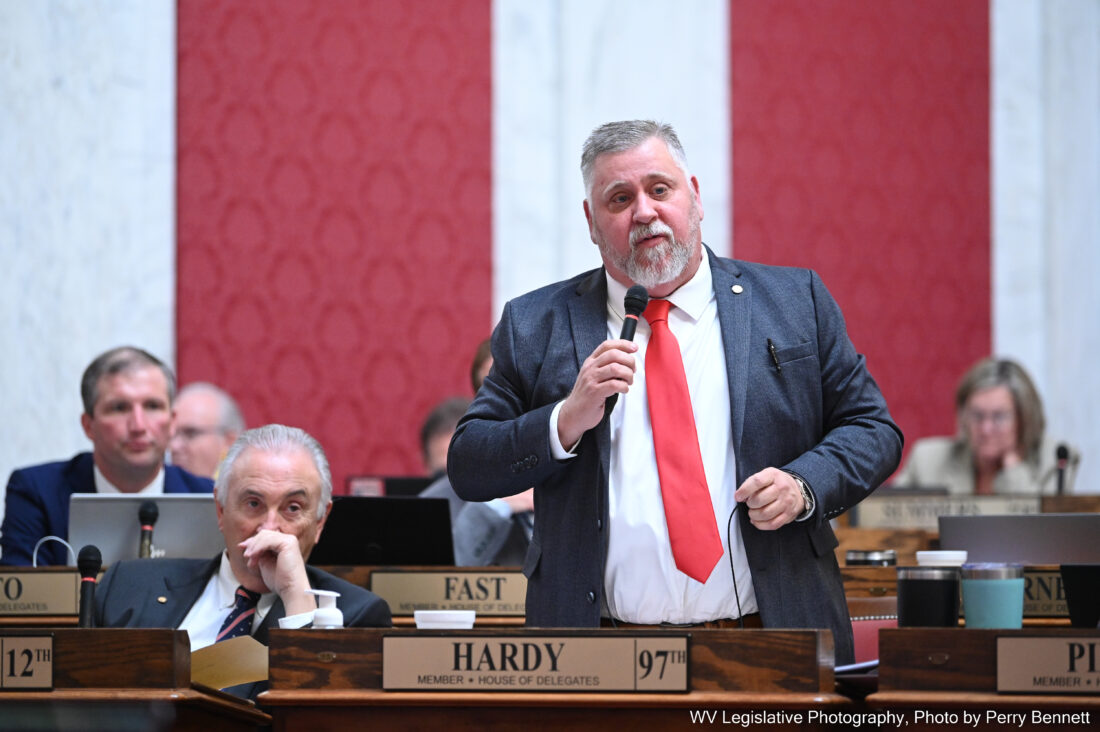
House Finance Committee Vice Chairman John Hardy, R-Berkeley, discussed Gov. Jim Justice's tax cut bill, which passed easily through the House on Wedensday.
Photo courtesy of WV Legislative Photography
House Minority Whip Shawn Fluharty, D-Ohio, and other Democrats tried to amend Gov. Jim Justice's tax cut bill Wednesday.
Photo courtesy of WV Legislative Photography
House Finance Committee Vice Chairman John Hardy, R-Berkeley, discussed Gov. Jim Justice's tax cut bill, which passed easily through the House on Wedensday.
Photo courtesy of WV Legislative PhotographyTrending
CHARLESTON - Gov. Jim Justice's bill to cut personal income tax rates in half over the next three years has sailed through the West Virginia House of Delegates, while House Democratic members attempted to amend the bill Wednesday.
House Bill 2526, relating to reducing the personal income tax, passed the House 95-2 Wednesday with delegates Evan Hansen, D-Monongalia, and John Williams, D-Monongalia, being the only no votes. The bill now heads to the state Senate, where its future is less certain.
HB 2526, introduced on behalf of Justice Thursday after he unveiled it during his State of the State address last week, would cut the personal income tax by 50% over the next three years, returning $1.229 billion to taxpayers by fiscal year 2025.
"It's very exciting times to be able to give tax money back to West Virginians - working West Virginians who have been pulling the wagons for so long," said House Finance Committee Vice Chairman John Hardy, R-Berkeley. "What a wonderful opportunity to be able to return some of this tax money back to them."
If passed by the Legislature, the plan would be phased in, with a 30% cut retroactive to January of this year, returning $163 million to taxpayers. Another 10% cut would kick in beginning in July, returning $1.085 billion to taxpayers, with the final 10% cut kicking in July 2024.
When fully implemented, all five of the state's tax brackets would be cut in half, with those making $60,000 or more paying a 3.25% rate, with those making $9,999 or less paying a 1.5% rate.
The bill also creates a $700 million reserve fund to be used to cover shortfalls in personal income tax revenue due to future recessions or other economic downturns, though officials with the state Department of Revenue don't believe the reserve fund will be needing, projecting tax revenue surpluses through fiscal year 2027 as long as the general revenue budget remains flat and growth in the budget is kept to 3% each fiscal year.
"I feel that this plan is a very structured plan that works over a three-year period," Hardy said. It's a very safe plan. We have done the projections. We have the economic outlook We know we have the money for the replacements. We're doing this with no tax shifting, which is very important."
"It's a tax that punishes success and punishes the working people of this state who are just trying to get up and provide an honest living every single day," said Del. Trenton Barnhart, R-Pleasants. "It's long past time for reform on this method of taxation."
With only 12 members versus 88 Republicans, the House Democratic caucus was largely powerless to stop or slow HB 2526, which was quickly approved by the House Finance Committee last Thursday - the same day it was introduced in the House. But Democratic lawmakers did attempt to offer amendments to the bill Wednesday.
An amendment from Del. Larry Rowe, D-Kanawha, would exempt income tax collections for individuals earning $80,000 or less, with those earning more than $80,000 paying a 6.5% tax rate. For married individuals filing separate returns, only those earning more than $40,000 would pay the 6.5% personal income tax rate. Their amendment is also retroactive to Jan. 1 and would return more than $1.2 billion to taxpayers.
Speaking during a press conference prior to Wednesday's vote, Rowe said his amendment would have freed 72% of the state's taxpaying population from the personal income tax. According to Rowe, $1,575 would be returned to families earning $40,000, while the Governor's plan would only return $735 to those families.
"The Governor's plan is loaded towards high-income folks. The regular people that we represent ... all of those folks would pay zero state tax," Rowe said. "That's the people we want to help and that's the way it is fair."
"We have a Democratic plan," said House Minority Whip Shawn Fluharty, D-Ohio. "Our goal is to eliminate. That's been the goal of the Governor for a long time. We actually have a plan to do so. We would eliminate income taxes for those earners earning $80,000 or less in West Virginia."
During the previous fiscal year, personal income tax collections were $2.502 billion, making up more than 42% of the $5.887 billion the state collected in the general revenue fund that year.
Gov. Justice, who announced Tuesday night he had mild COVID-19 symptoms, issued a statement Wednesday after the vote thanking the House for overwhelmingly voting for his tax cut plan and encouraging the Senate to do the same.
"It's time we reward all the great West Virginians who have stayed the course through decades of being 50th," Justice said. "It's time we really, truly, help West Virginians combat the rampant inflation they're seeing. We've worked really hard to turn our state around from deficits to major surpluses and now our state is blessed with an opportunity for prosperity and growth unlike any before in our history."