
West Virginia Lawmakers Briefed on Opioid Settlement Distribution
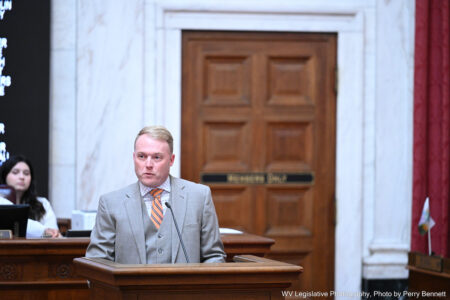 Photo courtesy of WV Legislative Photography
Trending
CHARLESTON - A representative of the West Virginia Attorney General's Office told lawmakers Tuesday that the plan to distribute the millions of dollars in opioid settlement dollars is going forward.
The Joint Committee on Health received an update from Steven Travis, general counsel for the Attorney General's Office, on the West Virginia First Foundation Tuesday morning, the final day of three-day April legislative interim committee meetings at the Capitol.
Attorney General Patrick Morrisey first announced a tentative agreement and memorandum of understanding for the West Virginia First program last year.
The West Virginia First program would divide settlements with opioid manufacturers and distributors, with 24.5% going to cities and counties, 3% going to the Attorney General's Office and 72.5% going to the West Virginia First Foundation.
Once funds from future settlements are distributed, the funds can be used by cities and counties for developing programs for substance abuse avoidance, research and education; funding for law enforcement to combat the sale and distribution of drugs; and substance abuse treatment and recovery.
According to Travis, all 55 counties and more than 220 cities and municipalities have signed on to the West Virginia First memorandum of understanding. During the 2023 legislative session, lawmakers passed Senate Bill 674, recognizing the West Virginia First Foundation and setting up the 11-member governing board selection process.
"The West Virginia First memorandum of understanding and the abatement structure held therein represents the culmination of years of cooperative work between the Attorney General's Office and representatives of the 55 counties and 220 cities and municipalities of this state."
Five of the board members are appointed by the governor with the advice and consent of the Senate. The other six members would be selected by the counties and municipalities for six regions of the state based on the already-approved percentages the counties and municipalities would receive from settlements.
Board members would serve staggered three-year terms. The Attorney General would recommend an executive director for the foundation, but the board would have authority to approve the selection. If eight out of 11 members veto the selection, a new executive director candidate would have to be nominated.
Travis said the Attorney General's Office is working with the local governments on articles of incorporation, with the documents in near-final form.
"One of the key components of those articles of incorporation are provisions that will set forth the manner in which the regional selections will be made for the board," Travis said. "The fine, fine details of that are still being worked out."
According to Travis, the Attorney General has secured more than $867 million in settlements with opioid manufacturers and distributors, with $340 million having already been received by the state and held in qualified settlement accounts. The remaining settlement payments will be paid to the state over the next several years depending on the individual settlement agreements, then subject to distribution. The state has one pending claim against Kroger that is set to go to trial on June 5.
Travis said the one outstanding issue yet to be resolved includes the attorney fees as part of the settlements. Travis said the Attorney General's Office hopes that attorney fees awards remain as low as possible.
"The question of how much will be paid for attorney fees is still pending before the court," Travis said.