

Trending
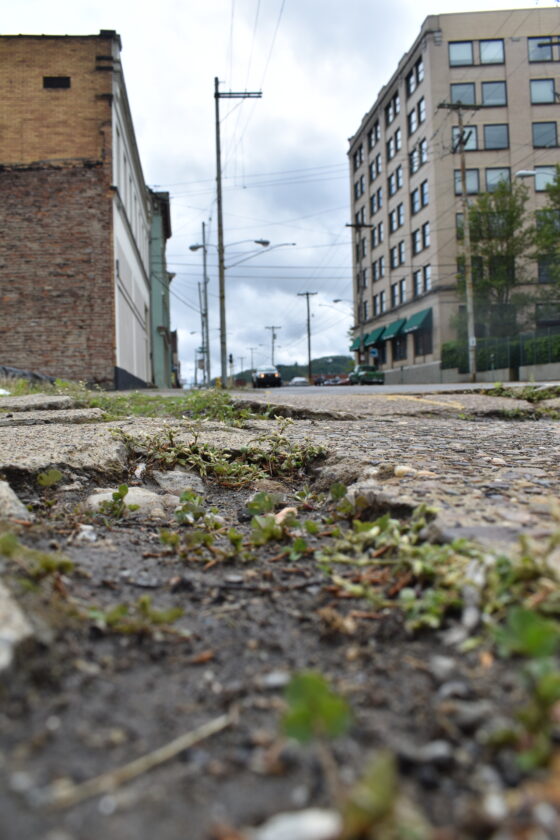
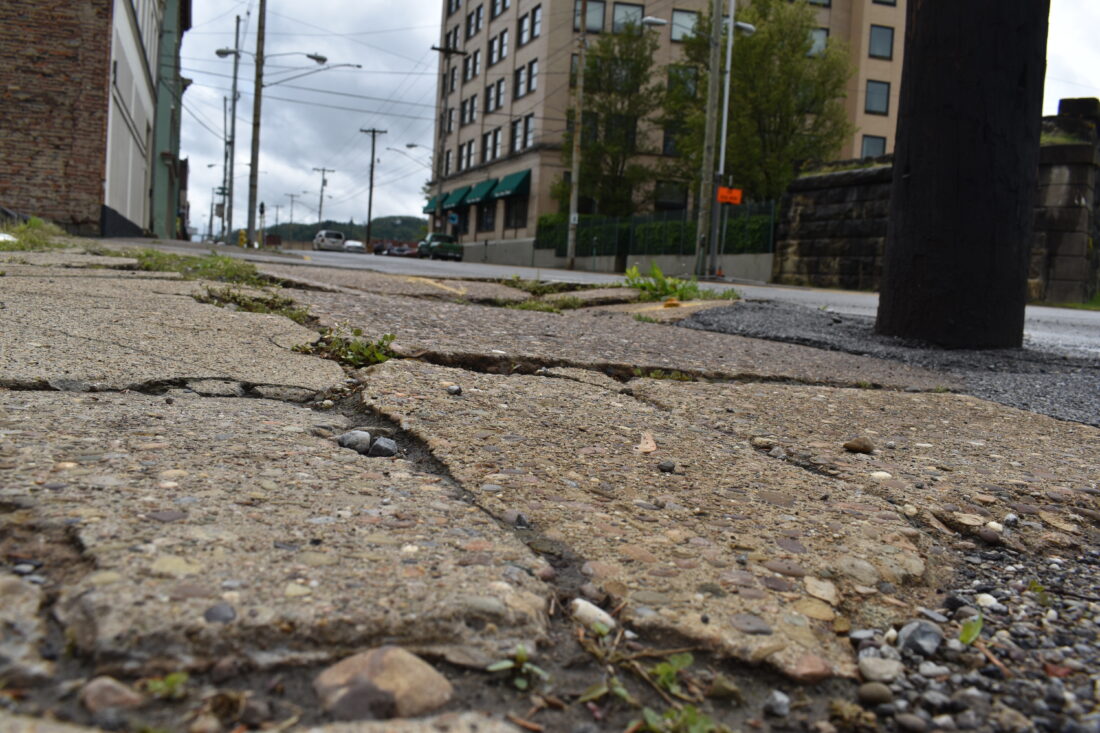
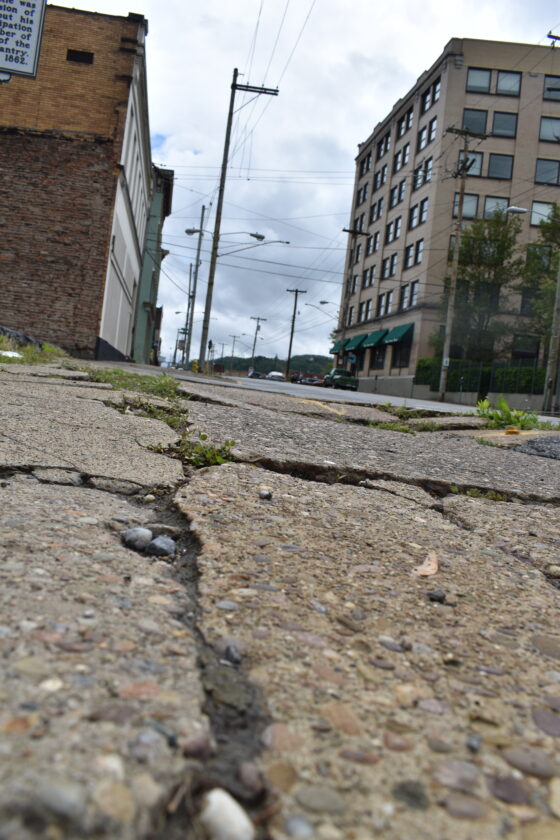
WHEELING - The bumpy path toward creating a viable sidewalk repair program in the city of Wheeling was revisited this week with a $1 million proposal to create a voluntary, interest-free loan program for property owners.
Despite a lively discussion among all city council members and several constructive suggestions, concerns remained over the funding of such a program and over the participation of property owners, who are ultimately responsible
Members of the Development Committee of Council met this week to discuss a new proposal presented by Vice Mayor Chad Thalman, who has championed the effort to address Wheeling’s long-standing problem with deteriorating sidewalks.
During Tuesday’s committee meeting, Thalman suggested that the city create a revolving loan program that would offer interest-free loans to property owners wishing to fix the sidewalks along their properties.
"Sidewalks are the responsibility of the property owner," Thalman said. "I want to put half a million dollars toward an interest-free loan. So if you want to fix up your sidewalks, the city would loan you the money to do it. That’s $500,000. I also want to put $500,000 toward city-owned sidewalks - because the city should fix their sidewalks, as well - and towards fixing concrete streets. We do paving contracts for blacktop, but we’ve never done anything for concrete streets."
Wheeling City Manager Robert Herron indicated that in other municipalities across the country, sidewalk issues are commonly addressed through the issuance of bonds to generate funds and through property owner assessments for the repairs. The property owners use the funds to fix the sidewalks and are required to pay back the money over time. However, the state of West Virginia does not permit this.
Herron has also stressed that the scope of the needed sidewalk repairs in Wheeling is enormous. He said a pilot study of three Wheeling neighborhoods - Warwood, Wheeling Island and a large portion of Woodsdale - showed that 231,000 square feet of sidewalk needed replaced in those areas, plus 135,000 square feet of trip hazards and 922 curb ramps that needed addressed.
Herron added that the cost estimate for those repairs - calculating from the lower price of $12 to $15 per square foot - would be $6.9 million to $7.5 million ... just for those three neighborhoods.
"For clarity, this isn’t a grant that’s similar to what we’ve done before," Councilman Ty Thorngate said, noting that the funds would be paid back. "We’re a bank, essentially, loaning out the money interest-free."
Thalman suggested that the program would be offered indefinitely year-to-year, with more money being offered once previous loans are paid back.
"Naturally, my question is always going to start with: Where does the $1 million come from?" asked Councilman Dave Palmer. "What’s the funding source? That’s a lot of money to tie up."
Palmer noted that the issue stems from the fact that sidewalks are the responsibility of the property owner. He also said that, in other cities with this type of program, only those with money take advantage of it. Those unable to fix their sidewalks don't.
Concerns were also expressed about the possibility of the city providing loans, then not seeing them repaid. Palmer, chairman of the Finance Committee of Council, indicated that the city should not enable people who should already be fixing their own sidewalks and already have the means to do so.
"We’re dealing with a problem that’s many decades in the making," Mayor Glenn Elliott said. "I don’t think it’s acceptable just to say ‘it’s too expensive, we can’t do anything, so let’s just move on to the next issue’ without coming up with some solution."
Elliott reiterated the fact that he has seen people in the city pushing baby strollers in the street because the sidewalk in that area was simply impassable. He said the city has been creative with other successful improvement programs, and a new approach was needed to address broken sidewalks.
Councilman Ben Seidler suggested looking at an effort similar to the loan guarantee program offered by the Friends of Wheeling, which provides a pool of money for collateral to the bank, which handles the loan to property owners for their projects.
"That way the deal is between the property owner and bank," Seidler said, noting that a bank would have more leverage if things go wrong. "They have the ability to sue and to affect their credit, and we don’t have those options."
Councilman Jerry Sklavounakis also expressed concerns about where the city would get the pool of money for such a program.
"A lot of our money is tied up paying bonds," he said. "One of the things I think we need to recognize is that the cost of concrete has almost doubled in the last few years."
Thalman noted that Wheeling’s sidewalk problem is estimated to be a $20 million issue city-wide, so offering $500,000 to citizens for a loan program to address their responsibility and increase their properties’ curb appeal should not be asking for too much.
City leaders suggested that possible grants or earmarks be researched as a funding source for the proposed program, and that an online poll be conducted to gauge public interest. The committee approved a motion to direct city staff to begin developing the parameters of the program and funding options with an eye toward having a presentation to council next month.