Wheeling Council Hears Alternative Proposals on Use of Opioid Settlement Funds
Council Hears Proposals on Use of Opioid Settlement Funds
Trending
WHEELING - Members of Wheeling City Council were slated to cast a final vote on legislation pertaining to the distribution of more than $584,000 from the city’s share of West Virginia’s opioid settlement funds, but officials unanimously decided to table the matter for further discussion.
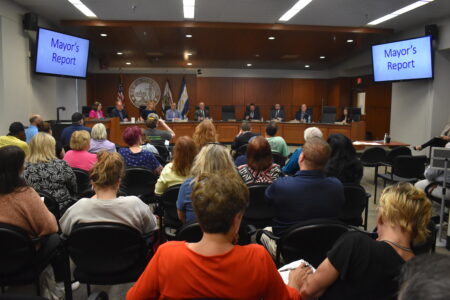
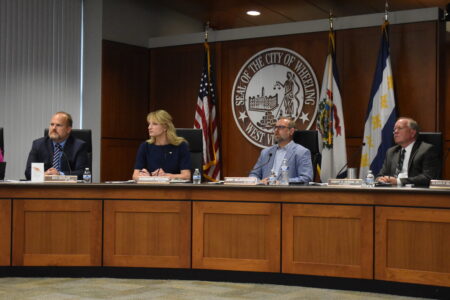
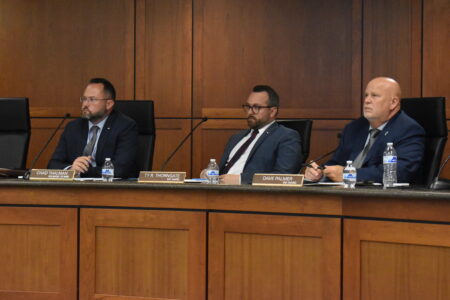
Despite the fact that council members put the legislation on hold, several people in attendance during Tuesday night’s city council meeting had signed up to speak about the opioid settlement distribution. Vice Mayor Chad Thalman, who presided over the meeting in the absence of Mayor Glenn Elliott, moved to deviate from the normal order of business and allow those who signed up to speak on the topic to do so.
According to the ordinance up for second readings and a final vote Tuesday night, all of the money from this round of opioid settlement distributions would go to fund requests submitted by the Wheeling Police Department and the Wheeling Fire Department. Speakers urged council to look to agencies outside the city for distribution of these funds.
Some who spoke before council Tuesday night proposed other specific uses - including funding directed more toward drug abuse treatment and prevention efforts as opposed to emergency response and enforcement measures.
"Substance use disorders are catastrophic to the very fabric of our society and continue to have a significant and costly impact on the health, well being and economy of Wheeling," said Laura Weigel, program director at the YWCA Wheeling, who brought a "posse" of representatives from the YWCA and other local organizations with her. "The substance abuse epidemic in West Virginia has negatively affected individuals and families, present ongoing challenges to health care and behavioral health systems and significantly impacted the economic vitality of the city and the state."
Weigel said that no state has been as profoundly impacted by the substance use epidemic as West Virginia, which continues to have the highest rate of age-adjusted drug overdose deaths in the nation. Expanded substance abuse treatment and programs for education and training of behavioral health therapists and certified addiction and health care providers is needed, Weigel said.
The group urged the city to provide funding from the settlement to help grow the local workforce with trained professionals that are needed on the frontlines of this ongoing battle.
"West Virginia Northern (Community College) proposes to create an alcohol and drug counselor clinical supervision training program through our office of Economic and Workforce Development," Kathy Herrington, WVNCC program director for substance abuse intervention programs, said. "What it boils down to is - by our city investing $62,500 in workforce efforts certified to address the needs of those seeking relief, we would have 20 additional qualified staff that could serve over 500 individuals in recovery weekly. They would be then licensed and eligible to bill private insurances and Medicaid to bring in additional dollars to our infrastructure."
The YWCA, Youth Services System Inc., Northwood and other agencies would be able to employ these counselors and fill the gaps that exist in their workforce to serve the needs of individuals who seek assistance with substance abuse disorders, Herrington said.
"This opportunity would provide long-term sustainability, and the funds from the settlement would address a critical unmet need that we’re currently experiencing, and we as a community could become part of the solution," Herrington added.
A woman who guests in the crowd said was homeless was escorted out of the meeting during the session - briefly disrupting speakers with an emotional outburst alleging that city leaders planned to "cushion your pockets some more with your federal funds - with the ‘bridge to nowhere,’ and that’s why the homeless people can’t get FEMA and can’t get the help that we need. And I am not a drug addict."
Stephanie Joseph spoke against a part of the city’s proposal that includes using a portion of the funds to buy an all-terrain vehicle for the police department so it can access remote homeless encampments.
"I’m here as a concerned citizen and as a parent who lost an adult child to an opioid overdose - and I object to that," Joseph said. "For a city of our size, a tactical vehicle - while it could potentially be useful - I think we could put a half a million dollars to far better use."
Joseph, who also became emotional recalling her daughter’s struggles, said the city needs more recovery options for those who need it.
"I would just urge everyone to really think carefully with these dollars - where we’re spending them, where we could get the most value and how we can help the most people," Joseph said.
Holly Eckart encouraged the city to use a more proactive approach to help those in crisis before it comes to a situation where they need emergency services or law enforcement intervention.
"We wait until people are in a terrible situation before we address the problem," Eckart said. "Step forward as a community and recognize that preventative care works. Preventative medicine does work. It’s unfortunate that we have a medical care system that only treats the emergency."
City officials said that another round of funding from the state’s opioid settlement is expected to come to Wheeling in the future. They proposed setting up a process in which agencies can formally submit proposals for funding requests to the city for programs and efforts that would be eligible.
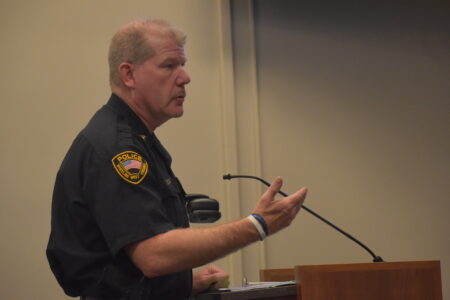
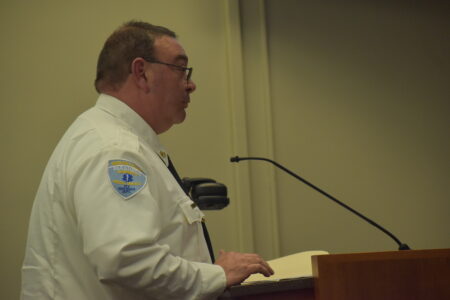
Wheeling Fire Chief Jim Blazier and Police Chief Shawn Schwertfeger also spoke about the proposals that were submitted by the two city departments.
For the fire department, several equipment purchases were requested to help first responders during drug-related emergencies. They include CPR training equipment and Narcan administration training equipment, controlled substances securing devices for ambulances and EMS supply storage areas, automated CPR devices, disinfecting equipment for ambulances, automatic external defibrillators, ballistic vests for responders and an EMS slide-in attachment for the utility vehicle for transporting incapacitated individuals from hard-to-reach areas.
"I feel this is an investment not only for the opioid crisis but also for the citizens of Wheeling as a whole and also for the protection of our first responders," Blazier said.
The police proposals include purchases of a new K9 unit - including a trained dog and handler training, a covert camera system for narcotics investigations, crisis intervention training equipment, a handheld narcotics testing unit and the proposed UTVs - as the largest ticket item requests.
"We’ve encountered multiple locations that are difficult to reach - most of those are homeless encampments," Schwertfeger said. "We have the one camp now. It’s my understanding from a meeting this morning that there were quite a few needles located there from the weekend. That vehicle would help us get access to those different camps when we are made aware of that."
The UTVs could be used for other incidents, as well, but as the funding relates to opioid issues, the vehicles will be used to combat drug problems and to help make the community a safer place.
"I’m tired of hearing of citizens who report that they are afraid to use our trails, particularly in the southern part of our city south of Wheeling Creek," Schwertfeger said, noting that some police vehicles cannot navigate areas of Heritage Trail.
City leaders tabled both ordinances related to the opioid settlement distribution and said the matter would be discussed before the Public Safety Committee of Wheeling City Council sometime prior to the next council meeting on May 21.