
Silicon Foundation Moves to Dismiss Lawsuit Over Data Center Project
Court Denies Plaintiffs' Motion for Continuance, Describes Assertions of Harm as Speculative
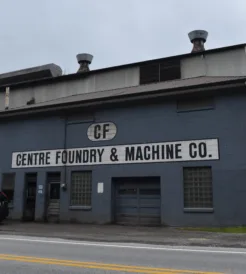 Photo by Eric Ayres
 Trending
WHEELING - A motion to dismiss has been filed in the lawsuit that several Warwood residents brought against the Silicon Foundry in an effort to stop the development of a data center in Wheeling, and this week the court denied a motion from the plaintiffs for a continuance to allow for a period of discovery.
On Wednesday, Ohio County Circuit Judge David Sims also ordered that the plaintiffs have until Oct. 28 to file a response to the motion to dismiss. Any reply must be filed within seven days of service of the response, the judge ordered.
Attorney J. Anthony Edmond Jr., representing the plaintiffs, declined to issue an official comment regarding the recent filings and orders. He indicated that a response to the motion to dismiss was forthcoming in light of the court’s deadline in two weeks.
The lawsuit was filed in July seeking a temporary restraining order, preliminary and permanent injunctive relief and declaratory judgment in connection with the data center project proposed by defendants Silicon Foundation Holdings Inc. and Silicon Foundry Energy LLC. The company with international roots intends to develop a data center and energy technology campus at the former Centre Foundry & Machine Company site along River Road on the south end of the Warwood neighborhood of Wheeling.
Several Warwood residents are listed as plaintiffs in the legal action. They include Polly Barks, Joe DePaulis, Owen Dobreynski Hines, Savannah Fedczak, Elizabeth Hannah, Albert "Marc" Hannah, Heather Hines, Heidi Kossuth, Betinna Makley, Natalie Miniard, Liz Stephens and Randy Stephens.
A number of the plaintiffs have been among outspoken opponents of the planned data center development since information about the project became public earlier this year.
According to the complaint, the proposed Warwood data center, if constructed or operated, would "create substantial and unreasonable interference with the plaintiffs' use and enjoyment of their property, including but not limited to noise, fumes, odors, vibration, storm water runoff, flooding, contamination, light trespass, fire risk, water withdrawal and discharge impacts, diminished electric service reliability, potential utility cost shifting, reduced property value, loss of quiet enjoyment and interference with residential use."
Attorney David Croft, representing Silicon Foundry, filed the motion to dismiss the suit late last month. The primary grounds for dismissal cited in the motion challenged the court’s jurisdiction over the declaratory judgement counts for "lack of a ripe, actual controversy."
The plaintiffs subsequently filed a motion for a continuance to allow for a period of discovery - between 90 to 120 days. The plaintiffs sought discovery related to Silicon Foundry’s plans and designs for the facility, including its electricity demand, cooling system, noise levels, water demand, light levels and wastewater process.
On Tuesday of this week, the judge denied the motion for a continuance, finding that the request did not "reach the jurisdictional ground of the motion to dismiss."
"The lead ground of the Silicon Foundry motion to dismiss is that the court lacks jurisdiction because the plaintiffs have not alleged a real, present dispute," Croft said Wednesday. "That is a legal question the court decides on the papers, not something discovery can change."
Sims cited case law to this effect, stating that a claim, "is not ripe for adjudication if it rests upon contingent future events that may not occur as anticipated or indeed may not occur at all."
Opponents of the data center project - including the plaintiffs, a number of fellow Warwood residents and some others in Wheeling and outside of the city - have attempted to pressure city leaders to pass a resolution stating that the city stands against the development of data centers in the city limits. While council members have not done so, a majority of council members voted to enter into a Memorandum of Understanding with Silicon Foundry to assure that the company will not develop a high-impact data center.
Many opponents have also called for city council to impose a moratorium on the development of data centers - action that the city’s legal department has said cannot be done legally.
Assertions put forth by opponents of Silicon Foundry’s project maintain that if a data center were to operate in Warwood, noise levels would likely rise, concerns over potential water pollution would arise, additional power consumption could increase electric bills, neighboring property values could decline and few permanent local jobs would likely be created.
The court this week indicated that a number of these assertions are speculative.
"The plaintiff’s own complaint describes their alleged harm as ‘foreseeable’ rather than present and certain," Croft noted. "The court held that this kind of speculative, future harm cannot support the lawsuit, and a party in that position is not entitled to discovery to try to shore up its claims."
Croft said the court found that discovery pertaining to the company’s plans cannot be used to manufacture a case - or "rescue claims that fail," as the order issued by the court this week noted.