
Gratitude Expressed for Wheeling’s Proposed Data Center Regulations
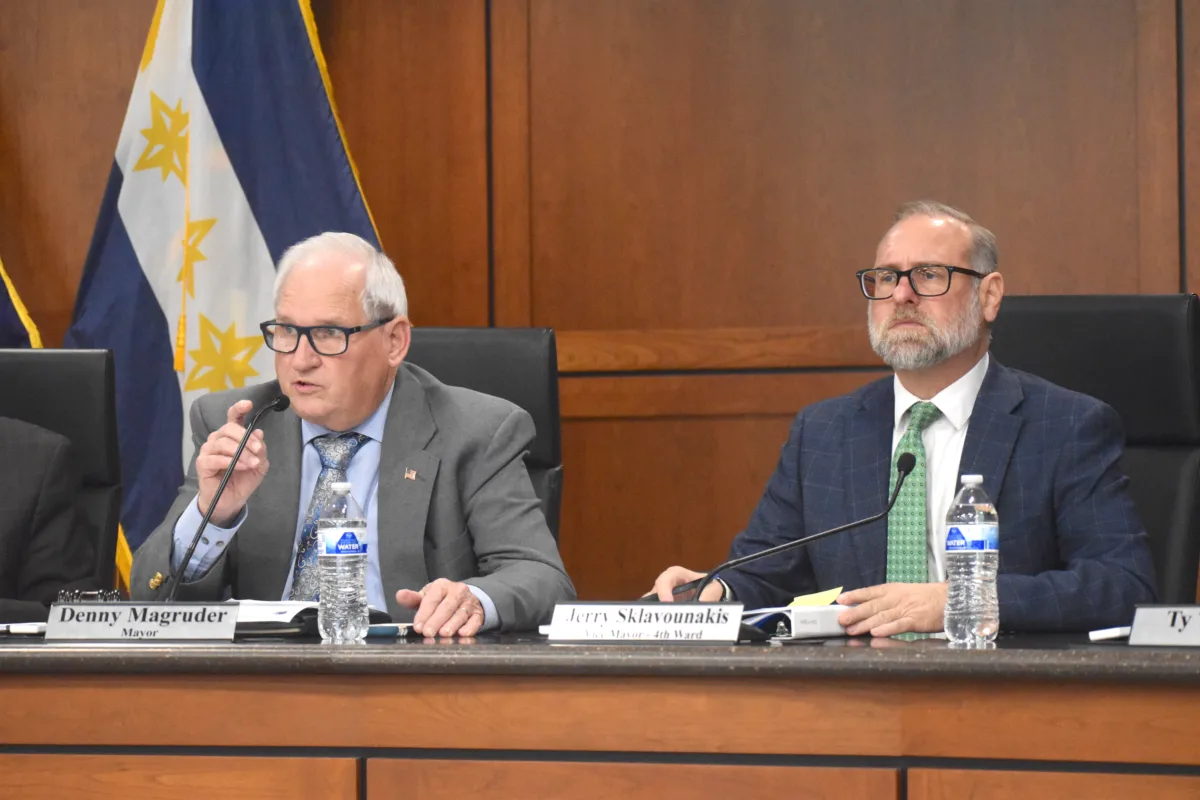
Wheeling Mayor Denny Magruder, left, and Vice Mayor Jerry Sklavounakis attend a meeting of Wheeling City Council on Tuesday night.
Photo by Eric Ayres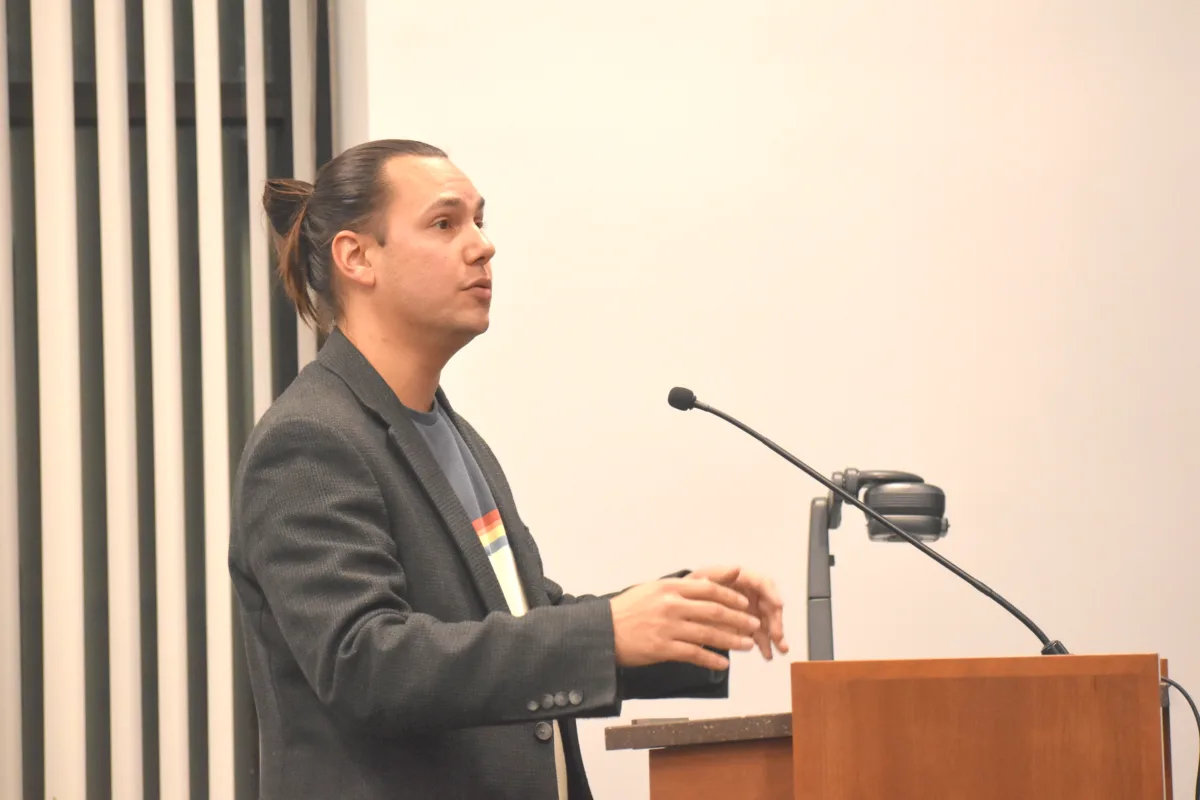
Photo by ERIC AYRES Wheeling resident Vincent DeGeorge speaks before members of Wheeling City Council on Tuesday night.
Photo by Eric Ayres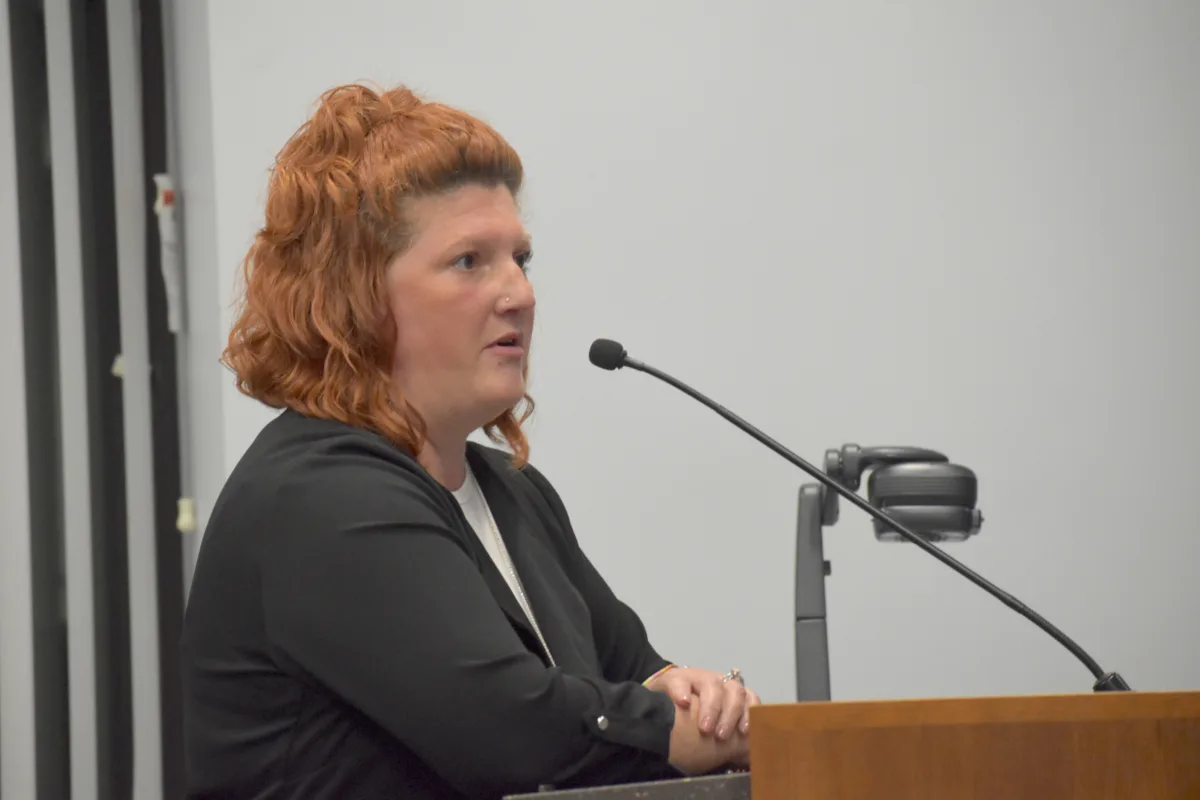
Photo by ERIC AYRES Amanda McWhorter of Triadelphia speaks before members of Wheeling City Council during Tuesday night's meeting.
Photo by Eric Ayres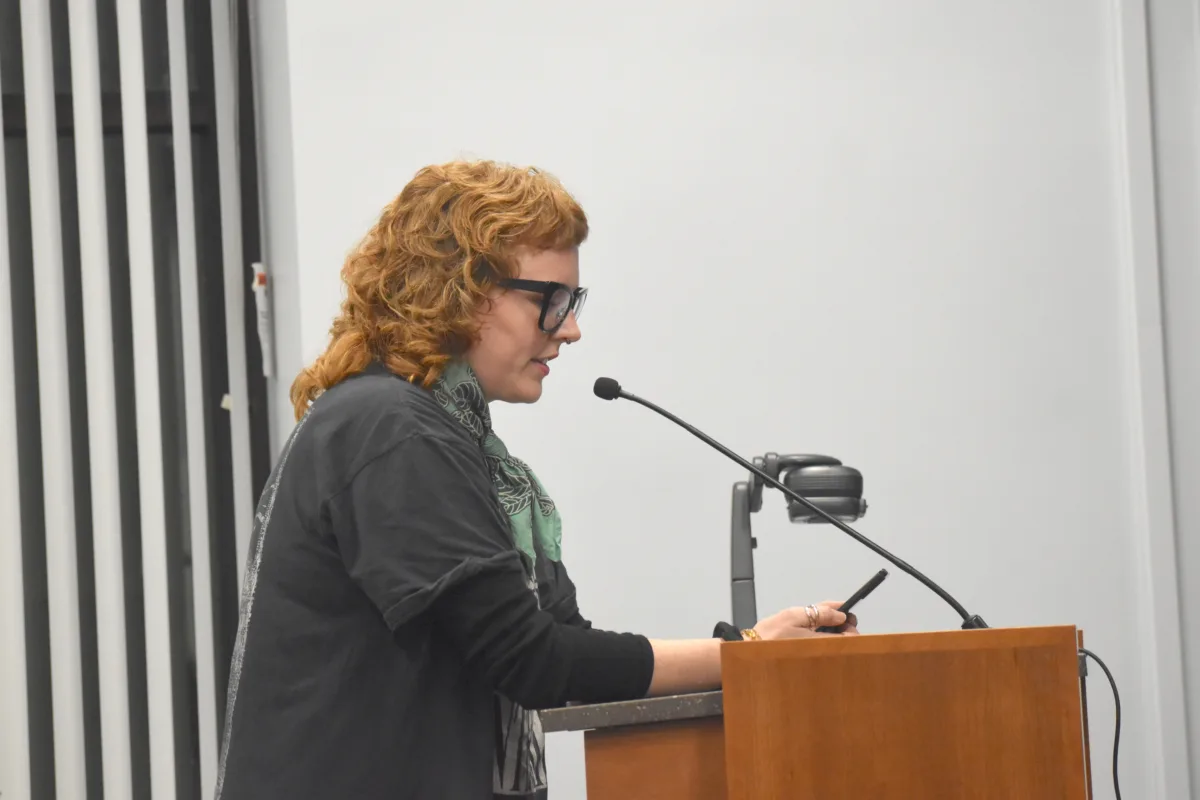
Photo by ERIC AYRES Polly Barks of Warwood speaks before members of Wheeling City Council during a meeting Tuesday night in council chambers.
Photo by Eric Ayres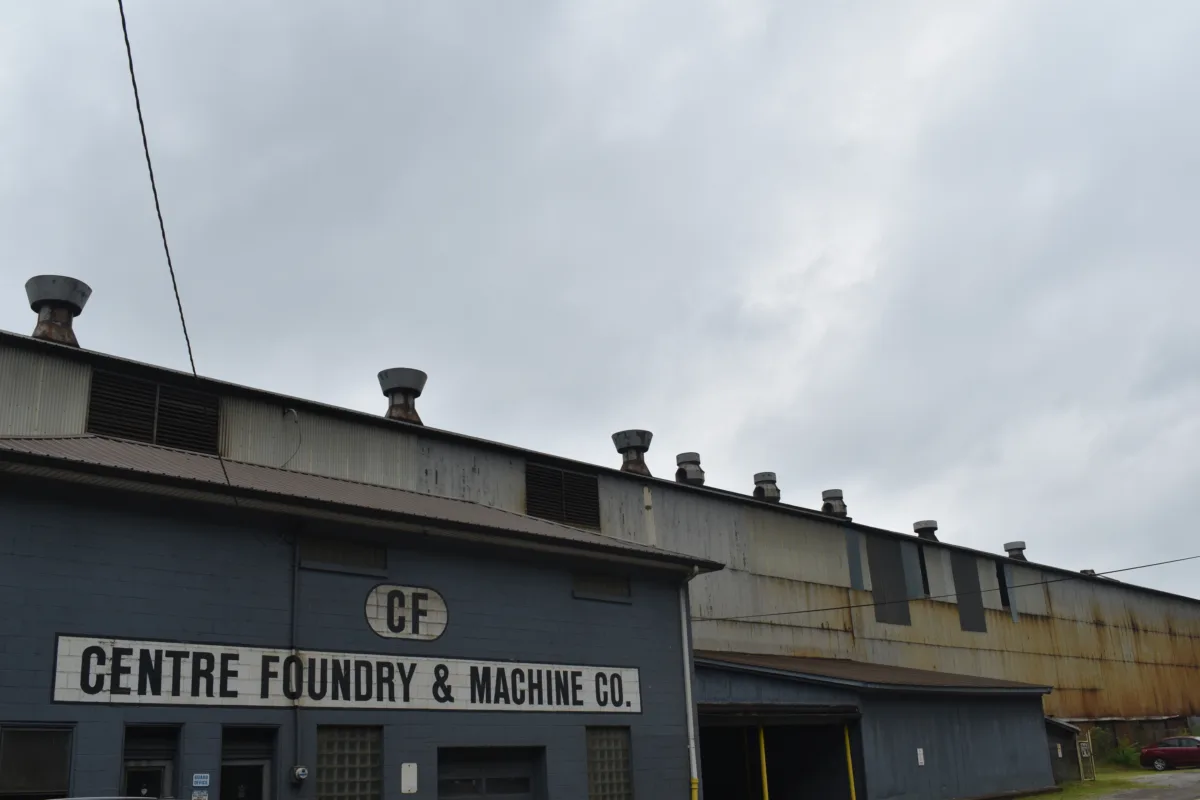
Photo by ERIC AYRES Silicon Foundation plans to develop a new data center and energy technology campus at the former Centre Foundry & Machine Company location in Warwood.
Photo by Eric Ayres
Wheeling Mayor Denny Magruder, left, and Vice Mayor Jerry Sklavounakis attend a meeting of Wheeling City Council on Tuesday night.
Photo by Eric Ayres
Photo by ERIC AYRES Wheeling resident Vincent DeGeorge speaks before members of Wheeling City Council on Tuesday night.
Photo by Eric Ayres
Photo by ERIC AYRES Amanda McWhorter of Triadelphia speaks before members of Wheeling City Council during Tuesday night's meeting.
Photo by Eric Ayres
Photo by ERIC AYRES Polly Barks of Warwood speaks before members of Wheeling City Council during a meeting Tuesday night in council chambers.
Photo by Eric Ayres
Photo by ERIC AYRES Silicon Foundation plans to develop a new data center and energy technology campus at the former Centre Foundry & Machine Company location in Warwood.
Photo by Eric AyresTrending
WHEELING - City officials in Wheeling have consistently heard from vocal opponents of data centers in recent months, but some of those same individuals stepped forward Tuesday night to express gratitude for comprehensive data center regulations introduced as new legislation before city council.
Council heard the first reading of an ordinance to create Article 1365 of the city’s planning and zoning code, which outlines several pages of rules and regulations on data centers in Industrial districts. The legislation will establish a rigorous application process, requirements for development and performance standards, regulations for electrical power demands and water consumption, and guidelines on water reuse for closed-loop cooling systems. It additionally outlines rules for noise and air emissions, wastewater guidelines and regulations pertaining to other potential impacts associated with data center operations.
For several months, local data center opponents have vocally stood against a planned development at the former Centre Foundry & Machine Company facility in the Wheeling neighborhood of Warwood along River Road. Silicon Foundation plans to redevelop the Centre Foundry site into a phased data center and energy technology campus.
While opponents over the past several months have expressed criticism about the way the city has handled the situation surrounding the planned data center in Warwood, a handful of vocal community members came forward during Tuesday night’s meeting to acknowledge they view the new legislation as a step in the right direction.
"This ordinance is a good effort to control if not prevent data centers in the city of Wheeling," said Warwood resident Polly Barks. "This effort to halt or mitigate Silicone Foundation’s disastrous effects on Warwood would not have happened without the sustained effort of our community, without coming together almost unanimously against data centers. I challenge any of you to find something that has been so uniquely unifying to the community, for better or for worse."
Barks is among several Warwood residents who earlier this summer filed a civil lawsuit against Silicon Foundation in an effort to stop or at least pump the brakes on the development of the Centre Foundry site. She and others have been outspoken on the matter during public informational gatherings as well as during city council meetings. Barks and fellow colleagues have called for the city to pass a moratorium on data center development within the city - a move that Wheeling’s city solicitor maintains cannot be done legally.
Officials have noted the Center Foundry site is properly zoned for data center use in an Industrial location.
"Although it’s not a moratorium, I’m pleased that this provides a stop-gap that makes the city far less appealing to those coming in to exploit us for their own benefit to our detriment," Barks said. "Although I do disagree with the opening statement that, ‘the city recognizes that facilitating the development of data center service technology can be an economic development asset to the city and of significant benefit to the city and its residents. That’s subjective - we can agree to disagree on that."
Barks applauded Ward 1 Councilman Tony Assaro, who represents the Warwood neighborhood, for listening to his constituents and representing their voice.
"Tony has shown himself to be a faithful steward of the will of the people," Barks said. "For that we thank him and look forward to working with him further to make our community even better."
Members of the Rules Committee of Council, the city administration, the city’s legal department and other council members all worked on the development of the data center regulations for several weeks. A draft of the document was made available on the city’s website, and city leaders welcomed suggestions from the public to make any adjustments to the regulations that may be deemed necessary or beneficial.
The regulations were viewed as a result of community action, Barks noted, indicating the regulations attempting to address concerns expressed by vocal residents who do not want noise, higher utility bills, pollution or any other potential side effects data centers have reportedly brought to communities in other parts of the country. She credited people who wore anti-data center T-shirts, posted yard signs, signed petitions, attended events and let their voices be heard.
"Residents have become activists," she said, noting this was the beginning of a fight against data centers throughout West Virginia, an effort unfolding "in a state that does not support the will of the people."
Barks asked council to make a public statement about anticipated impact on the proposed data center at Centre Foundry.
"Take credit for being the first city in West Virginia, to our knowledge, to adopt an ordinance against data centers, and lend your expertise elsewhere," she said.
Amanda McWhorter of Triadelphia said she represents Ohio County on a statewide panel known as the West Virginia Data Center Accountability Project.
"Thank you for listening to the community and working on this ordinance," McWhorter said. "I would love to be able to connect you to other communities, as well, with our group."
McWhorter and Barks encouraged city leaders to work with other communities in the state and with Ohio County on similar efforts to regulate data centers on a local level. In West Virginia, House Bill 2014 - known as the Power Generation and Consumption Act of 2025, establishes state jurisdiction and outlines regulations on the state level for data centers planning to operate at 90 megawatts, which would be deemed as a "high impact data center."
Wheeling’s new Article 1365 of the city planning and zoning code, could be used as a template for other communities faced with regulating the development of data centers below the "high-impact" threshold.
"Thank you guys, sincerely," Wheeling resident Vincent DeGeorge told city leaders Tuesday night. "I think this is a good step in the right direction. We had to make some progress, and I feel like we did that together.”
DeGeorge said this legislation is an example of what can be accomplished when members of city council and those in the community work together with an open discourse.
"I hope that this is the start of more to come," he said.
Wheeling City Council is expected to hold a second reading of the data center regulations ordinance and take a vote on the legislation during its next meeting which is scheduled to take place on Dec. 1.