
Youth Services System brings creativity and attention to a real problem
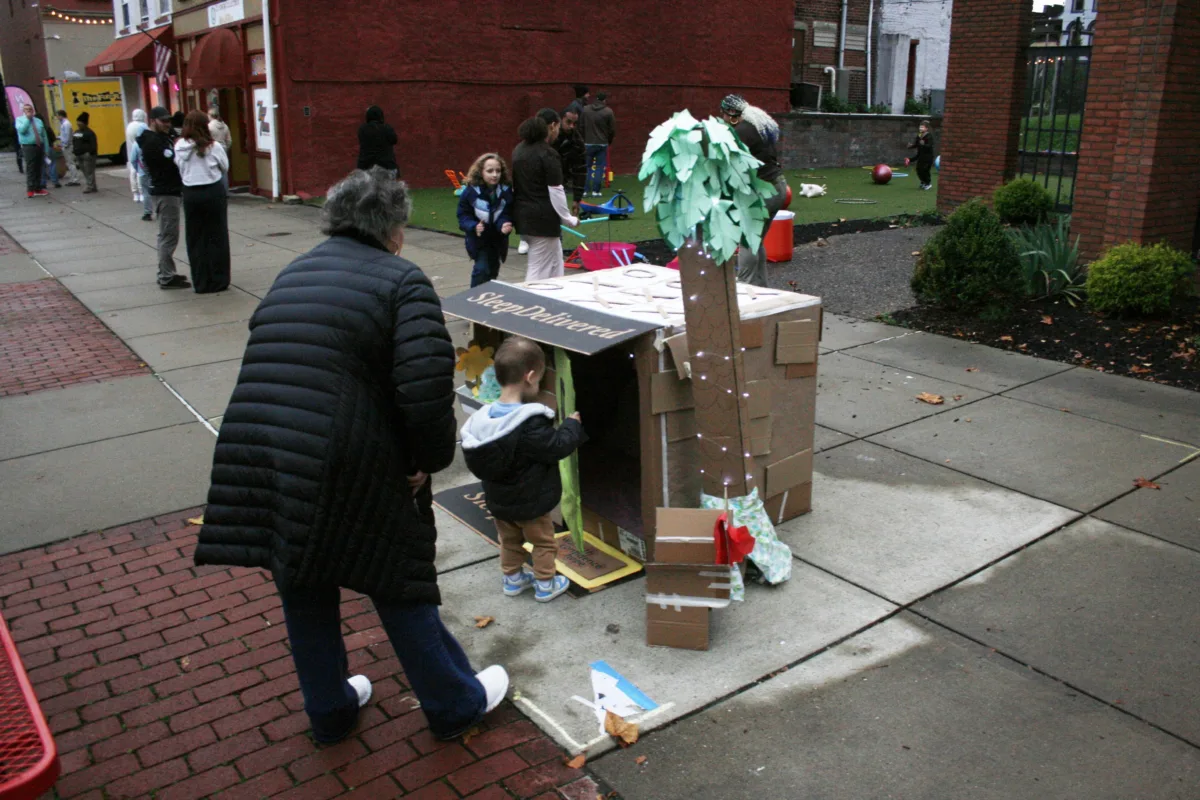
Photo by CARSON FOLIO Youth Services System Sleep Out participants check out one of 12 box houses.
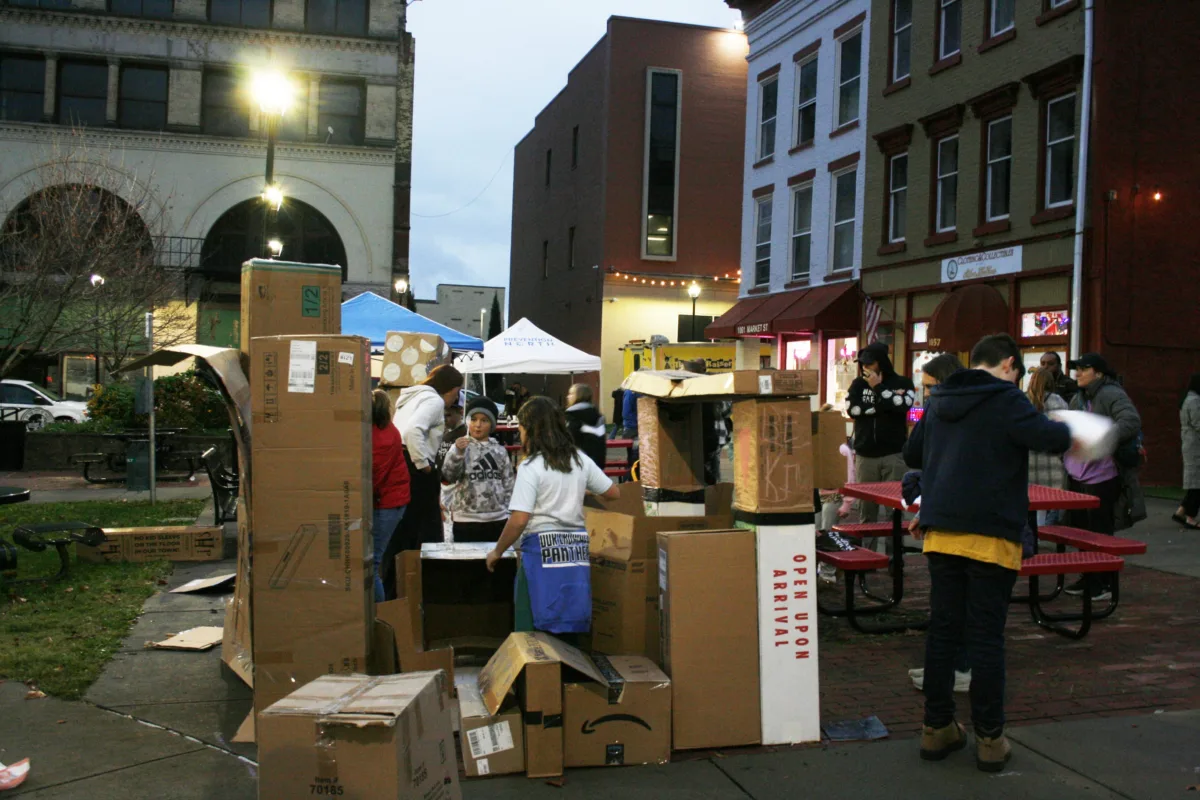
Photo by CARSON FOLIO Participants work together to turn a bunch of spare cardboard and random materials into a makeshift home for the YSS Sleep Out.
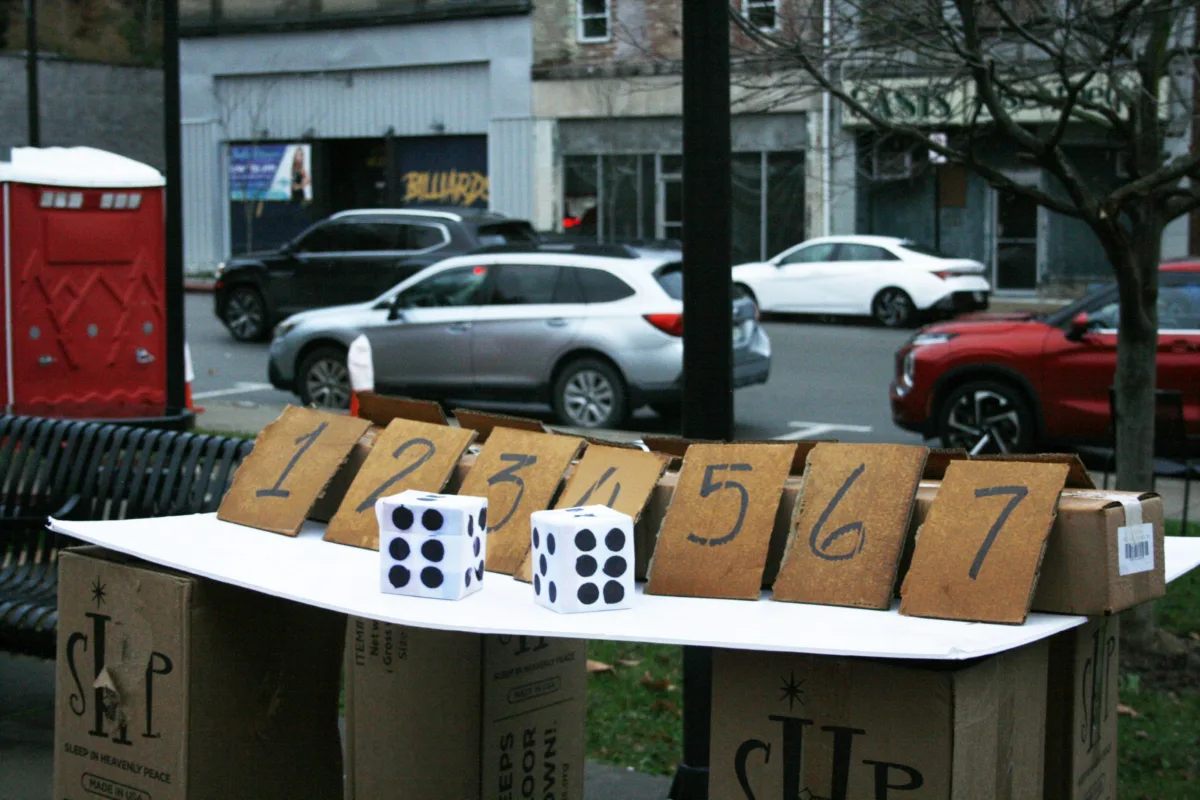
Photo by CARSON FOLIO Dice sit on an improvised box house at the 15th annual YSS Sleep Out event.
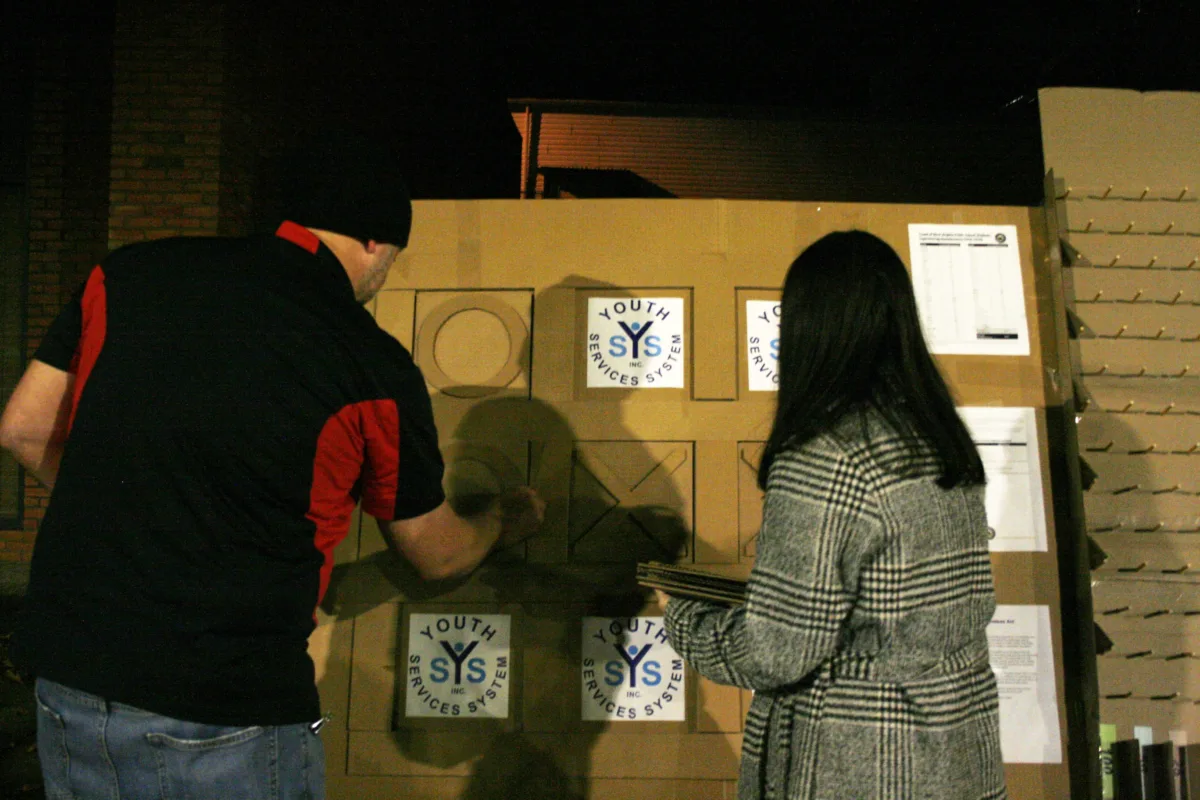
Photo by CARSON FOLIO Two people at the 15th annual YSS Sleep Out play tic-tac-toe on a house which could open and close. It also had a plinko board attached to it, as well.
Photo by CARSON FOLIO Youth Services System Sleep Out participants check out one of 12 box houses.
Photo by CARSON FOLIO Participants work together to turn a bunch of spare cardboard and random materials into a makeshift home for the YSS Sleep Out.
Photo by CARSON FOLIO Dice sit on an improvised box house at the 15th annual YSS Sleep Out event.
Photo by CARSON FOLIO Two people at the 15th annual YSS Sleep Out play tic-tac-toe on a house which could open and close. It also had a plinko board attached to it, as well.
Trending
WHEELING -- Here's a sobering fact: at least 31% of kids exiting the foster care system will end up experiencing homelessness by the time they're 26 years old.
That's according to the Annie E. Casey Foundation, which knows plenty about the foster care system and was also cited by one of several special structures made for an event hoping to bring awareness to issues like this.
Kids who age out of the foster care system sometimes find themselves in a position where their only option is to continuously couch-surf, without stable housing and no way to get themselves to a good spot. But Wheeling's Youth Services System hopes to continue putting a light on the issue.
The annual YSS Sleep Out returned to Market Plaza Friday for its 15th year in a row, with people building all kinds of makeshift homes from easy-to-find materials such as cardboard and duct tape, putting a spin on the box-living trope.
Though the improvised abodes get attention to the event itself and their creation requires plenty of creativity, the point of the event is also to continue bringing awareness to the problem of youth homelessness and to raise money for kids in need.
Jenna Maguire, the media and events manager for YSS, said the event acts as the organization's main fundraiser for its transitional living program, where youth 17 to 24 years old can gain a solid foundation and learn valuable life skills while also having a plan to house those in need.
"The transitional living program benefits that kind of gap between juvenile care and adulthood," Maguire said. "It's a really awkward, kind of age to be, so seeing what this program does for people that are even my age is just awesome."
As for the box houses themselves, each year participants are required to follow a general theme for the night. This time around, the theme was "game night" -- think Monopoly and Yahtzee, two board games which two box houses were directly based on.
But the makeshift shelters can't just only look good either, as Maguire said the ability to actually sleep in them and stay as comfortable as one can in a cardboard box is a requirement for judging.
"Even a poked hole can make a cardboard box freezing," Maguire said.
While the boxes are supposed to have an element of fun and challenge to them, especially given the competitive aspect of the night, they're also meant to educate.
Maguire said each box house must have facts and statistics on at-risk youth displayed so people don't forget what the whole point of the event is, along with also having the goal of simply educating the public on the issue. She said the educational value of these facts is what's most important about the improvised shelters.
Additionally, teams also compete to raise as much money as they can, which Maguire said this year's goal was $50,000. 12 total box houses were displayed.