
Trending
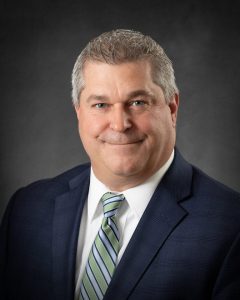
WHEELING - When Randy MacKendrick took the helm as chief executive officer at Fox Run Center for Children & Adolescents about six years ago, he brought with him more than 30 years of experience in behavioral health. MacKendrick’s career as a clinical therapist and licensed professional counselor - specializing in residential psychiatric treatment primarily for children and adolescents - in a way parallels the 30-plus-year history of the facility itself.
Tremendous progress has been made in the field of behavioral health treatment for children, and Fox Run has been a beacon of hope in that arena for more than three decades. Built and opened in 1990 off Traco Drive east of St. Clairsville, Fox Run’s hilltop facility is operated today by Universal Health Services.
Over the decades, Fox Run and MacKendrick have seen some significant changes that have been undoubtedly positive.
"Mental illness doesn’t carry the kind of stigma that it used to," he said. "There’s definitely more people reaching out to seek services and less stigma."
A native of Erie, Pennsylvania, MacKendrick earned his masters degree at The Citadel in Charleston, South Carolina. Working mostly in residential treatment, he has worn many hats - working in referral development, operations and therapy.
Today, MacKendrick leads a staff at Fox Run that is 110 members strong. The facility was built to accommodate up to 100 youths at any given time, but on average, the facility has around 60 beds filled.
"We offer psychiatric residential treatment services to children and adolescents ages 5-18," MacKendrick said. "Ages 5-12 for boys and 5-18 for girls."
Until about four years ago, Fox Run provided adolescent treatment for boys up to age 18, but officials there made a conscious effort to transition its focus to services for more specific age groups.
"We had to ask ourselves kind of introspectively - who do we work best with?" MacKendrick said. "We work best with children with trauma. We do well with adolescent females with trauma, but we kind of had this niche of working with children - we do a really good job with them. So we felt like we could expand those services."
Fox Run receives parental referrals, but works a lot with departments of Children and Family Services throughout the state of Ohio.
"These are children with high needs due to their extensive trauma, and there’s fairly limited resources throughout the state to treat children with these extensive needs," MacKendrick said.
At Fox Run, the youth receive more long-term care that typically lasts anywhere from three months to sometimes a year or more. This is a different type of treatment than emergency, acute care that is offered by other facilities - such as the former Robert C. Byrd Child and Adolescent Behavioral Health Center that closed in 2019 along with the Ohio Valley Medical Center in Wheeling.
"Since they closed, the closest acute care facility for children and adolescents is really either Morgantown or Youngstown," MacKendrick explained. "So the families are taking children or adolescents into emergency rooms for assessments. The ERs are typically doing the assessments and looking for an appropriate bed throughout West Virginia, Ohio or Pennsylvania - wherever they can identify a bed for them."
Thirty years or so ago, acute crisis stabilization could have taken around 60 to 90 days. Today, the average length of stay at one of these facilities could be anywhere from three to 14 days, MacKendrick explained.
"The primary goal there is just stabilizing any thoughts of hurting themselves or somebody else, or acute distress," he said. "We’re not licensed as an acute care facility, so we aren’t in a position to do those assessments here on site. The youth that we serve may have been in multiple acute care hospitalizations, but they just need longer-term care to address their trauma issues."
This type of long-term treatment has been developing in recent years, particularly in Ohio, where other funding streams have been identified to support families that are in need of these programs. MacKendrick said these advances have helped open the doors to new opportunities for families seeking help.
"It’s allowed counties to work with families that historically needed the children to be in custody to receive these services," he said, explaining that now, funding is being approved to allow youths to stay in parental custody and still receive services. "Which has a huge impact and ultimately can reduce the number of crisis stabilization needs.
"This is a step toward helping parents make that decision to get more intensive services because they didn’t have to give up custody to get services - which is another stigma. Ohio recognized that, that that is very important. It keeps the family involved in ongoing treatment."
Looking forward, MacKendrick said they are exploring avenues to continue meeting the needs of youth that they treat Fox Run beyond their residential stay there - after they leave the facility.
"We often find that it’s difficult to get a psychiatrist appointment within 90 days of discharge to keep and maintain their medication regimen, to get them in to see a therapist beyond here in rural areas of Ohio," he said. "So we have explored ways of how we can continue to outreach to the youth that we treat in Ohio to maintain continuity, such as options for some form of outpatient follow-ups."
Ohio has also allowed Medicaid to cover child psychiatric care, and advances in telehealth have helped overcome many challenges faced in rural areas, MacKendrik said.
"There’s been a lot of progress in that area, and we’ve tapped into that," he said. "It’s helped us work more closely with families and agency workers. It’s helped us with follow-up with residents who leave us, as well as their families, for continuity. It’s been very beneficial for us."
MacKendrick said that beyond their focus on providing the best services possible to their young residents, Fox Run looks forward to continuing its many partnerships in the Ohio Valley and continue playing a vital health care role in the region.
"We’re proud to be an active member in the community," he said.