
Trending
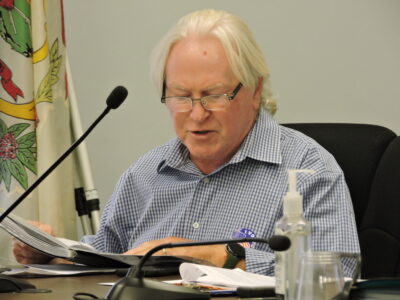
Moundsville Planning Commission members reviewed resident survey data to identify the strengths, weaknesses, opportunities and threats to the city that will be addressed in updates to the city's comprehensive plan.
The survey data interpreted by commission members during Wednesday's meeting included the 140 responses to the online public survey and in-person feedback collected during two public forums.
Chairperson Josephine Mentzer said the city's Public Works department was a strength since survey respondents answered they had the "least concern" for it. She also identified the city's Emergency Services as another strength.
Commission member David Bougher added that an "engaged city government" was another city strength. Mentzer agreed, adding that the 2014 comprehensive plan identified a need for more engagement and transparency from the city government.
"The city government has increased engagement a lot, especially with council meetings and other information being posted online," Mentzer said. She added that the city's "strong social media presence" was another strength identified by 80% of respondents.
Regarding the distinction between "threats" and "weaknesses" within the city, commission member Tabitha Kinneer noted that "threats" were external to the city and "weaknesses" were internal to the city.
Mentzer identified flooding as the single threat to the city, adding that she believed improvements could be made by concentrating on the area's flooding. Commission member Todd Morris agreed, noting one way to address flooding in the area would be to replace or fix aging storm sewers in the city.
A weakness the city respondents believed should be addressed in the revised plan was housing for the middle and upper classes and expanding cheap housing options.
Morris said the revised plan should address housing affordability in the area. Mentzer agreed, adding that housing availability, dilapidation of properties and deterioration of neighborhoods were other aspects of housing the plan should address.
According to Mentzer, one aspect of the city that fell "right in the middle" for survey respondents was whether transportation in the city could be considered a weakness or strength.
Half of the respondents believed the city should continue to explore public transportation options for the community, while the other half did not. Mentzer noted that no one brought up transportation at the evening public form and said she would be "hesitant" to include transportation in the revised plan.
Due to the split opinion among respondents, Mentzer decided to include transportation under the city's opportunities.
Bougher said he was not "advocating one way or the other" regarding transportation but noted those in the community who would benefit from public transportation do not "routinely attend public forums" or "fill out these kinds of surveys."
"I still think it's a significant issue for people to get to the places they need to," Bougher said.
Recreation also fell within the "middle ground" for respondents, with Mentzer including recreation in the city's opportunities.
Survey respondents also identified their "top priorities" for the area, which included public facilities, public safety, parks and schools. Mentzer said her analysis was that respondents' priorities were "family-oriented," meaning residents "want to see a more family-friendly city."
With the strengths, weaknesses, opportunities and threats to the city identified, Mentzer said the commission would construct the goals and objectives for the revised plan. Based on their discussion and survey feedback, she noted these would target financial and economic development, housing and infrastructure.
The Mondsville Planning Commission will meet again on Tuesday, Oct. 29, to develop the revised plan's goals and objectives.