Churn It Up
Old Time Churns Butter Up Collectors

Proudly stamped with "New Style" this white cedar butter churn is of the cylinder type and dates to about 1910.
Today’s kitchens feature the latest in modern technology and a multitude of beautiful appliances creating conveniences unimaginable a hundred years ago. Even preparation of simple foods had to be done at home. Take butter for instance.
Butter itself was a farm product and wasn’t readily available in city homes until the 20th century. Until the late 19th century, butter was made slowly — daily or weekly — by hand in a butter churn after the cows were milked. These churns were made of glass, wood or metal, and they were for home or farm use, not commercial.
The earlier butter churns are the ones most people picture with the long pushing part (called a dasher) inserted in the bottom container that looks a lot like a small barrel. Because the constant pushing motion of churning was tough work, crank style handles were adapted to the design, and a tabletop churn was developed.
Cylinder churns are a type of wooden tabletop churn that became very popular in the early 1900s. Originally, these sold for under $5, but to a collector they can bring much more. I have seen one made of white cedar wood, with a carefully fitted lid, double dasher and crank.
Butter churns of glass were also developed in the early 1900s. Heavy glass jars were fitted with a churning mechanism made of iron and wood. These conveniently sized butter churns are still seen today in antiques shops and make interesting decorations in today’s kitchens.
With today’s return to whole foods and homemade, some ambitious types are even making butter today to avoid the processing of commercial spreads.
Butter making itself includes several steps beyond the simple yet intense process of churning. Carrot juice was often used to add color to butter, which is usually a pale yellow and differs depending on the cows and their eating habits.
After the cream was churned, the resulting butter still needed to be worked and paddled to remove the excess water. Often done by hand, simply by working the butter in a large wooden bowl, the water removal process could be quickened by the use of a simple machine called a butter worker. These old gadgets date to the early 1900s and look like a flat box, fitted with a corrugated wooded roller turned by a crank. After removing water, the butter was shaped into butter molds and stamped.
Wooden molds and stamps are interesting to collect, too, and I have a few (though I’ve never made butter — yet!) Usually showing a design of flowers, animals, fruit and such, some butter molds had initials. In early years, butter would be marked to show the farm or family that made it. There were even small molds that shaped butter into the three-dimensional look of an animal or acorn, like a butterball. Stamps were usually made of hardwood, but some were produced in glass, pottery and aluminum.
Farmers’ wives would sell their homemade butter at a weekly market to earn household money, so a mold or stamp was important. Carved by a husband or a local craftsman, these molds made the butter look lovely and also identified it as hers, so that buyers could seek her butter again.
Other curious ways in which butter was made include in a “piggy” churn, a churn that was made of tin and looked like a swine. It was suspended from a ceiling by hooks and swung back and forth. Dating to about 1875, this method was preceded by butter making in real pigskins, apparently one of the earliest methods of churning where the butter maker stomped or walked on the skin.
Another primitive butter making method dates to the 19th century when farmers poured warm milk into a goatskin and hitched it to a horse to be bounced along while riding miles and miles until it was churned for use. Now that’s multitasking!
For comments or suggestions on local treasures to be featured in Antique of the Week, Maureen Zambito can be reached via email at: zambitomaureen@hotmail.com or by writing in care of this newspaper.
Features
National Day of Prayer Events Set at Capitol Ballroom
WHEELING – Jon and Jolene Hamill of Lamplighter Ministries will be the guest speakers at the local National Day ...
Library Program to Welcome Author Julia Flint
WHEELING – The Ohio County Public Library's next Lunch With Books program will feature author Julia Flint and a ...
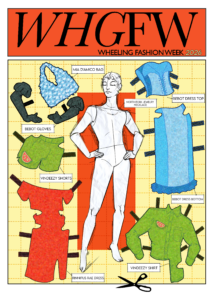
Wheeling Fashion Week Announces 2026 Runway Show Lineup
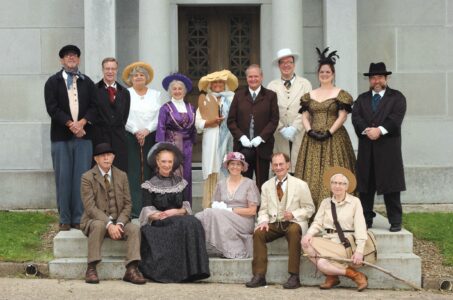
Friends of Wheeling Celebrates Historic Preservation Month

Music and Recognition at Thursday Music Club